
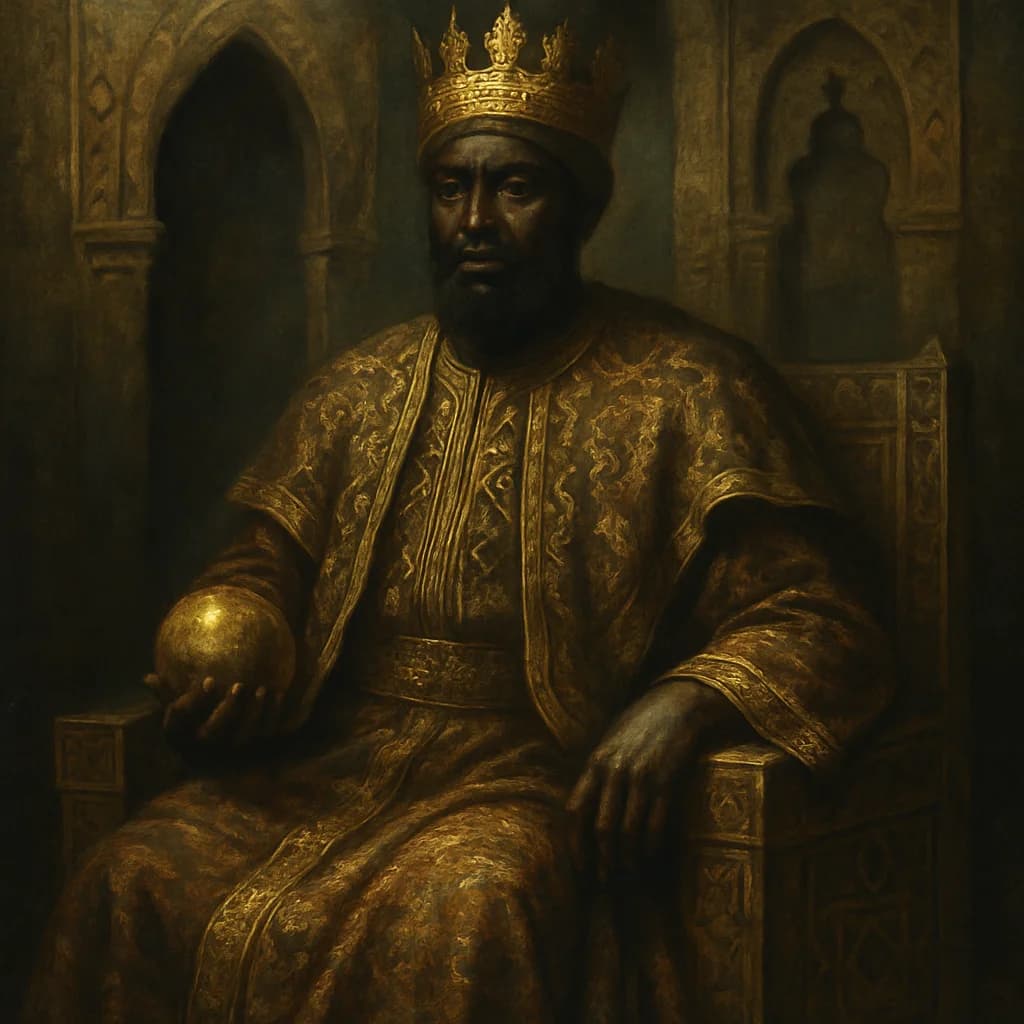
Mansa Musa
The richest man in human history was so generous it broke international banking.
Mansa Musa ruled an empire most Europeans couldn't locate on a map, yet his 1324-1325 pilgrimage to Mecca made him more famous across the Mediterranean world than any contemporary king. The Mali Empire he governed controlled the Bambuk and Bure goldfields (sources of roughly half the world's gold supply), yet Musa himself seemed almost embarrassed by his wealth.
When he set out for Mecca with a caravan of 60,000 people, including 12,000 slaves each carrying four pounds of gold, Musa wasn't trying to make an economic statement. He was fulfilling one of Islam's five pillars, the hajj, with the thoroughness that marked everything he did. But his generosity in Cairo was so extravagant (handing out gold to anyone who asked, from beggars to merchants to government officials) that he single-handedly crashed Egypt's currency. Gold became so common that its value plummeted for over a decade.
The economic chaos he accidentally created reached far beyond Egypt. His legendary wealth became the stuff of international gossip, eventually appearing on the 1375 Catalan Atlas as a crowned Black king holding a golden orb, with the caption noting his incomparable riches. European merchants began dreaming of trade routes to this golden kingdom they'd never heard of.
Yet Musa's true achievement wasn't his wealth but his institution-building. He established universities in Timbuktu and Gao that became centers of Islamic learning, attracting scholars from across the Muslim world. He standardized weights, measures, and currency across his vast empire. By the time he died around 1337, Mali was a sophisticated state with diplomatic relations stretching from North Africa to the Middle East, all because a pious king couldn't help but be generous with his gold.
Mansa Musa was so embarrassed by the economic damage his generosity caused in Cairo that on his return journey, he borrowed gold at high interest rates to try to stabilize Egypt's currency.
Why untold: African wealth and power in the medieval period contradicts persistent narratives about pre-colonial Africa's supposed isolation and poverty.
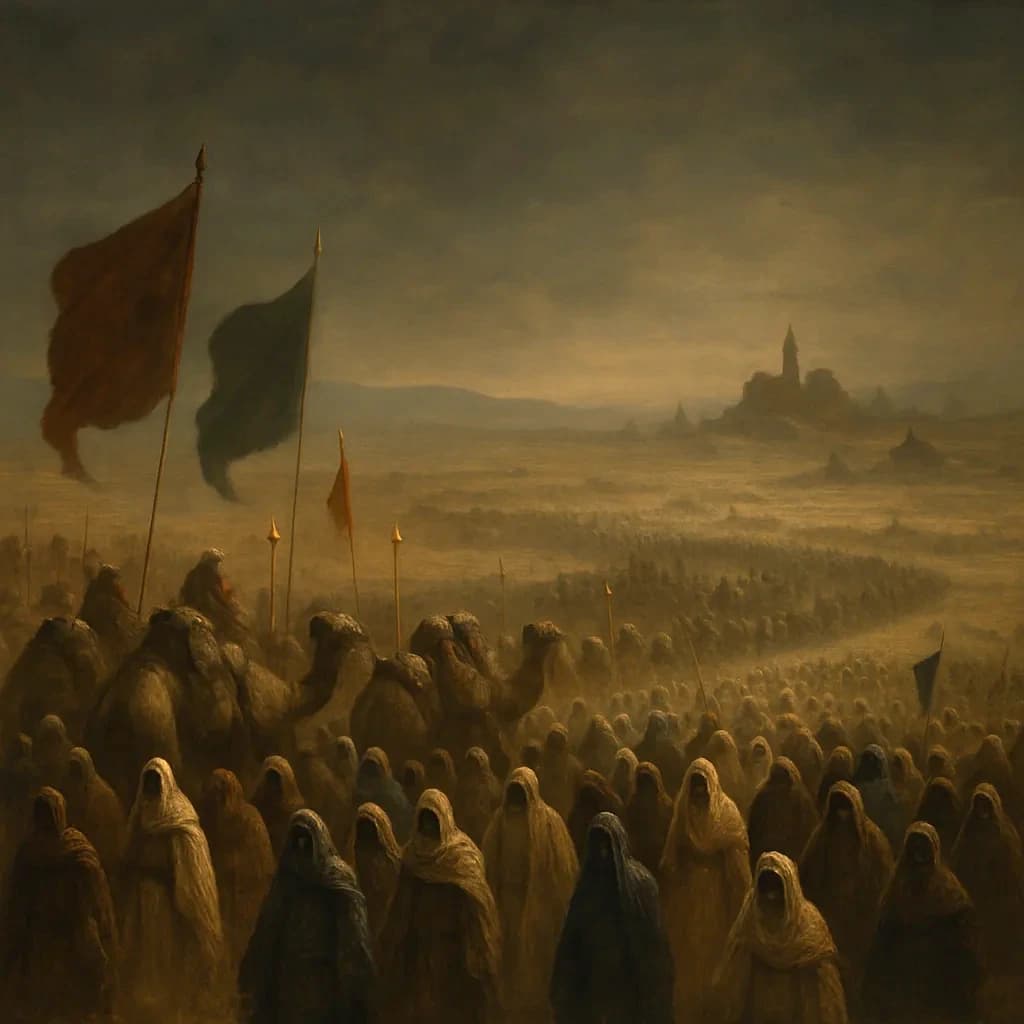
One Pilgrimage That Crashed Three Gold Markets
A single man's journey to Mecca destroyed the gold markets of three nations and made one African king more famous than any European monarch.
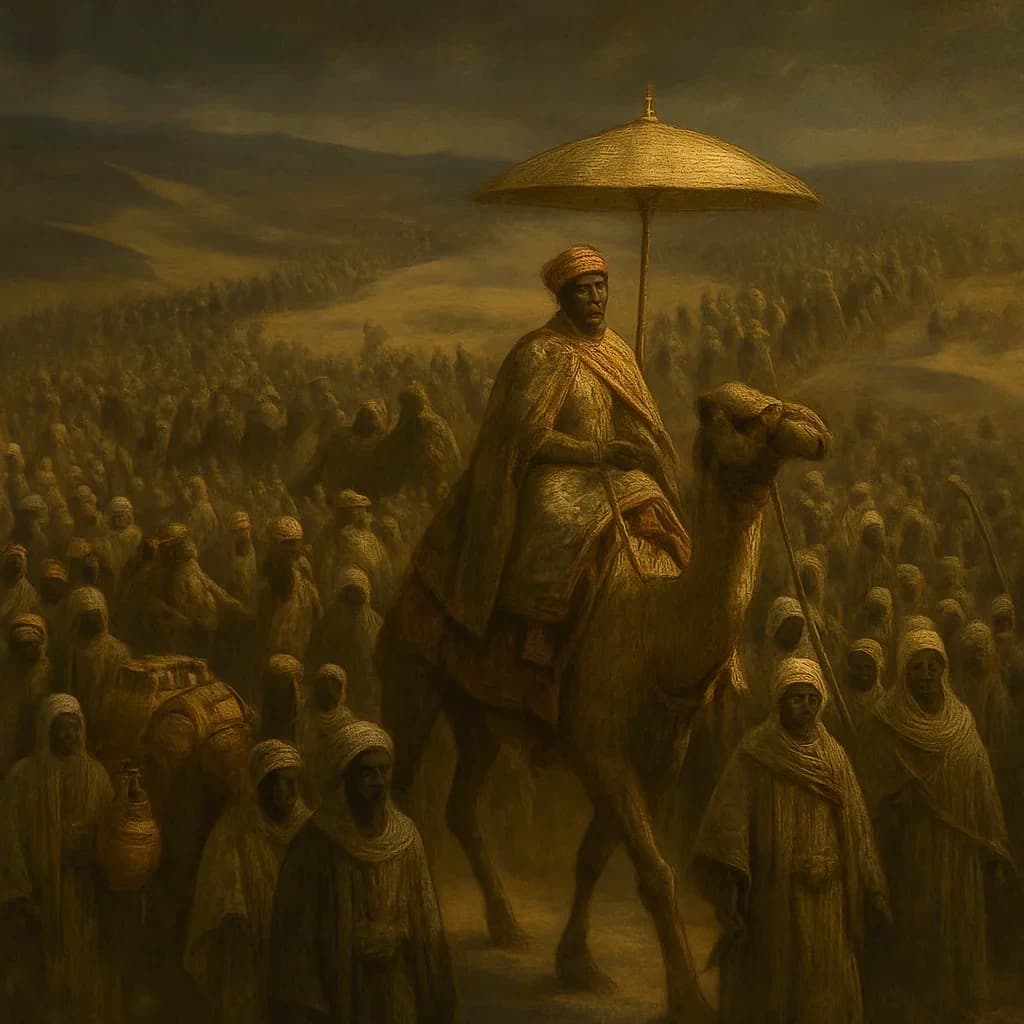
Mansa Musa: The Hajj That Sank Cairo's Gold
The richest man in history set out for Mecca and left an entire economy in ruins for over a decade.
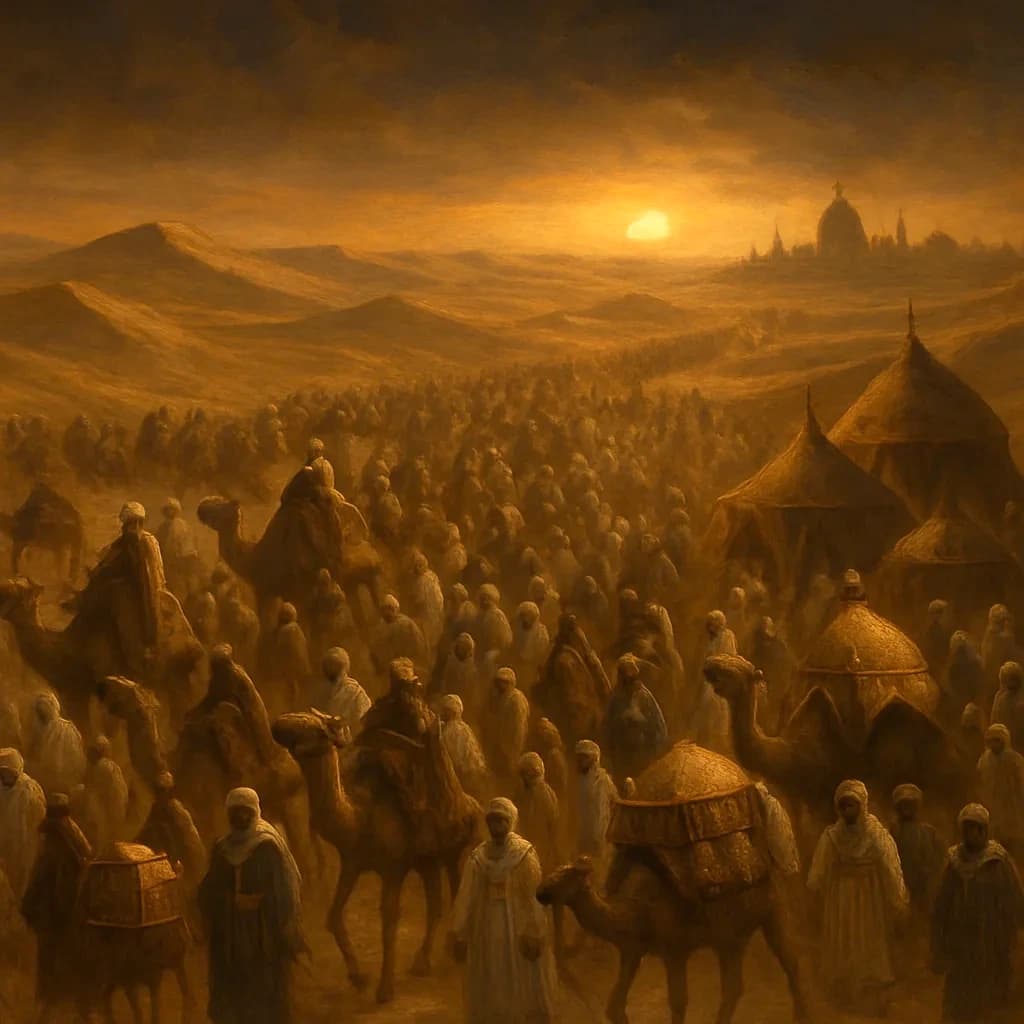
One King's Gold Crashed Egypt for a Decade
A West African king's 1324 pilgrimage to Mecca was so extravagantly wealthy that it crashed Egypt's economy for a decade and put an unknown empire on every European map.
- Levtzion, Nehemia, and J.F.P. Hopkins. Corpus of Early Arabic Sources for West African History. Princeton: Markus Wiener Publishers, 2000.
- Gomez, Michael A. African Dominion: A New History of Empire in Early and Medieval West Africa. Princeton: Princeton University Press, 2018.
- Bell, Nawal Morcos. 'The Age of Mansa Musa of Mali: Problems in Succession and Chronology.' International Journal of African Historical Studies, 1972.