
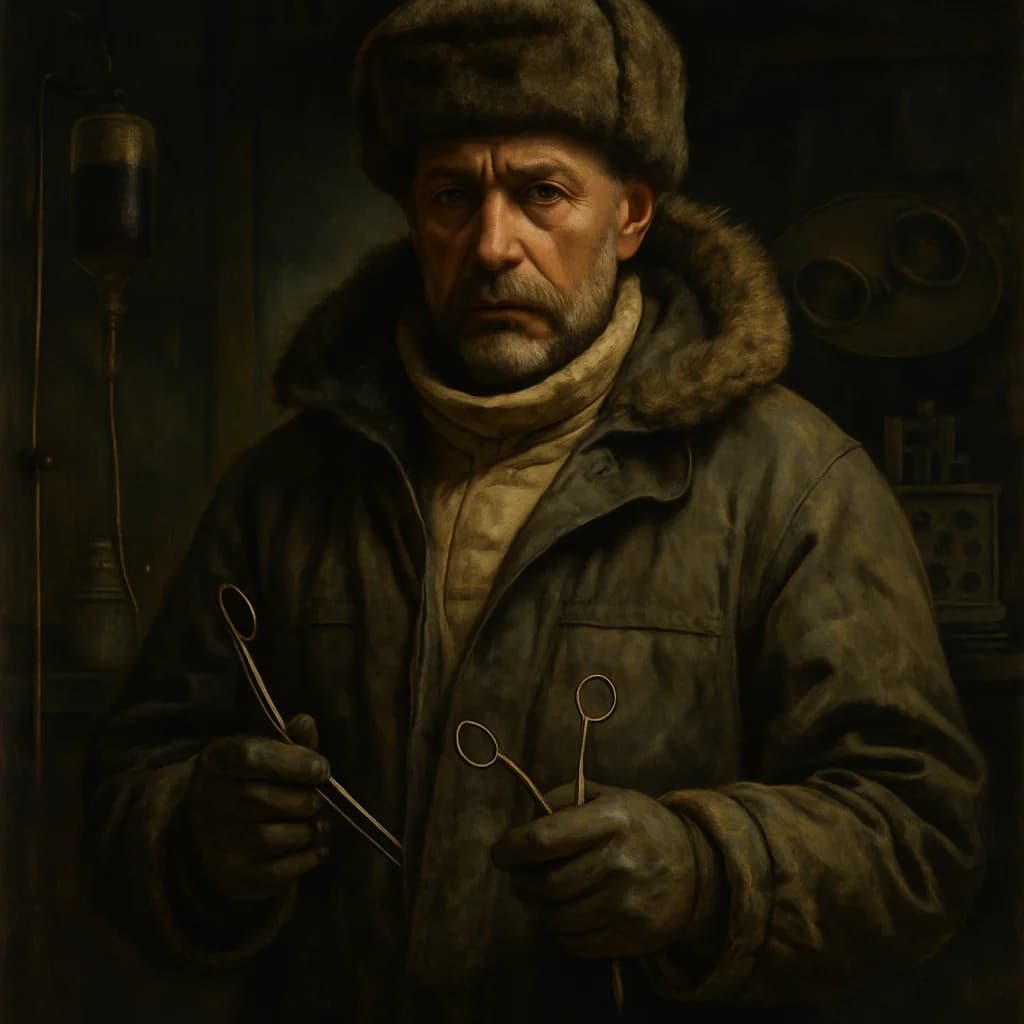
Leonid Rogozov
The man who cut open his own abdomen with a mirror and a prayer had originally wanted to be a sailor.
Leonid Rogozov signed up for Antarctic duty in 1960 because he craved adventure, not because he wanted to test the absolute limits of human self-preservation. The 27-year-old surgeon from Cherkasy had dreams of naval exploration, but the Soviet Antarctic Expedition offered the next best thing: a year at the bottom of the world as the sole medical officer for the Novolazarevskaya research station.
When his appendix began to rupture six months into the mission, Rogozov faced a calculation that would have broken most minds. The nearest surgeon was thousands of miles away. The weather made evacuation impossible. His only options were death by peritonitis or an operation no human had ever attempted. He chose surgery, but not the way the stories tell it. The operation wasn't a moment of inspired heroism. It was methodical preparation followed by two hours of controlled terror.
Rogozov spent days studying anatomy texts and practicing the procedure on cadavers he'd brought for research. He positioned his assistant meteorologist Aleksandr Artemev to hold a mirror at precisely the right angle. He injected himself with local anesthetic, made the first incision, and then (in perhaps the most remarkable detail) he had to stop every few minutes to rest because operating upside-down in a mirror while fighting shock kept making him dizzy.
The surgery succeeded, but Rogozov's real genius wasn't medical technique. It was psychological preparation. He had mentally rehearsed his own death so thoroughly that cutting into his living flesh became just another problem to solve. He returned to regular duties within two weeks, completed his Antarctic tour, and spent the rest of his career as a respected but unremarkable surgeon in Leningrad, never again performing anything remotely as dramatic as saving his own life.
Rogozov brought his own surgical instruments to Antarctica specifically because he didn't trust the standard medical kit, a decision that literally saved his life.
Why untold: His story was classified by Soviet authorities for years as embarrassing evidence of poor expedition planning, only becoming widely known after the Cold War ended.
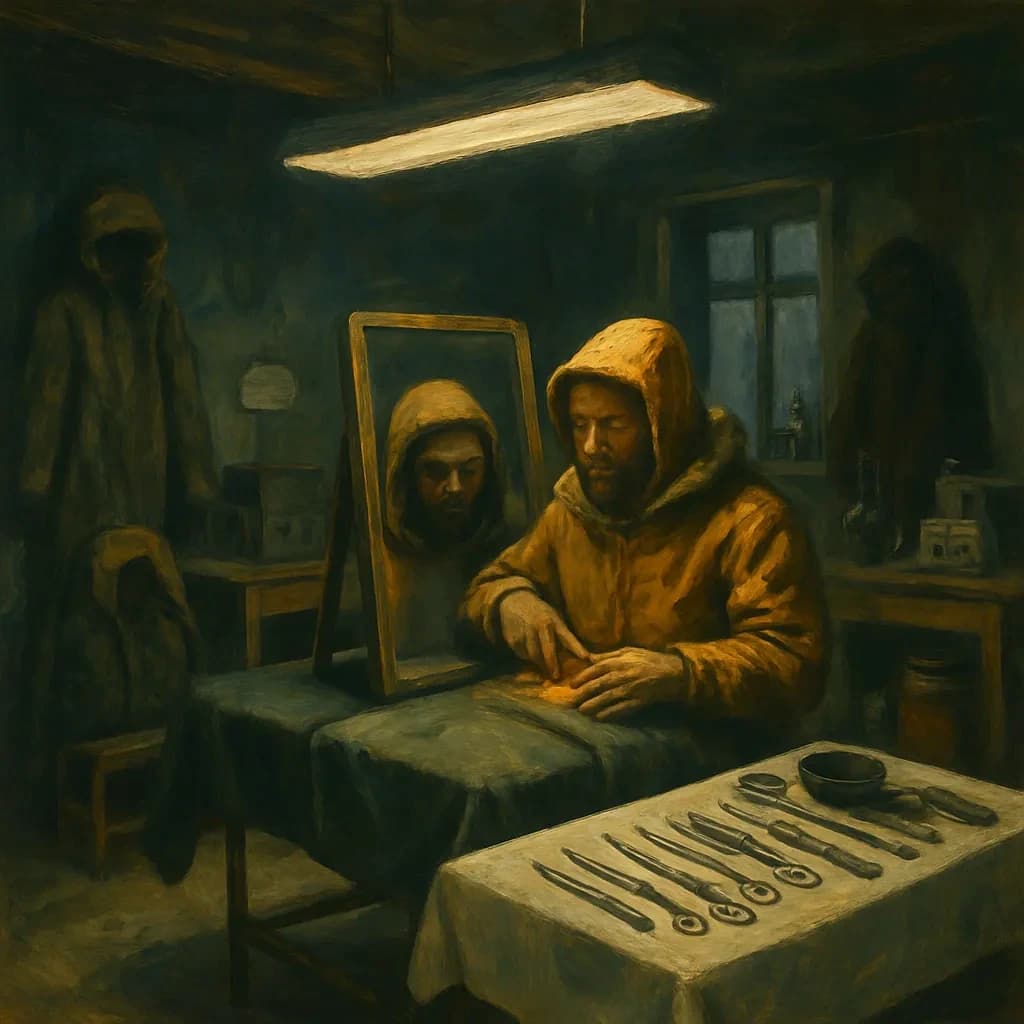
Alone in Antarctica, a Surgeon Cut Out His Own Appendix
With his medical texts left behind to save weight, a Russian doctor performed the world's first self-appendectomy, armed only with a mirror and a bottle of vodka.
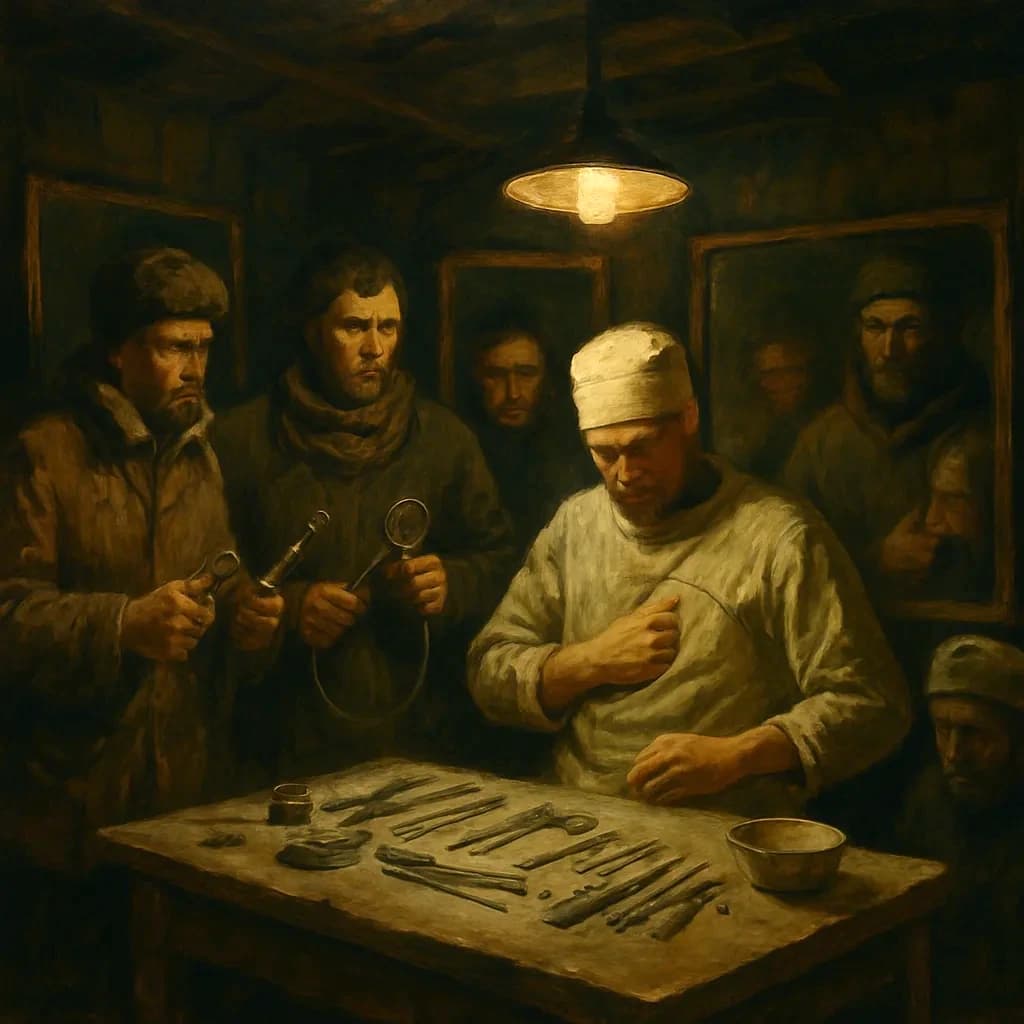
He Removed His Own Appendix in Antarctica
A ship's doctor in Antarctica performed surgery on himself while his colleagues held mirrors, and radioed the procedure to Moscow.
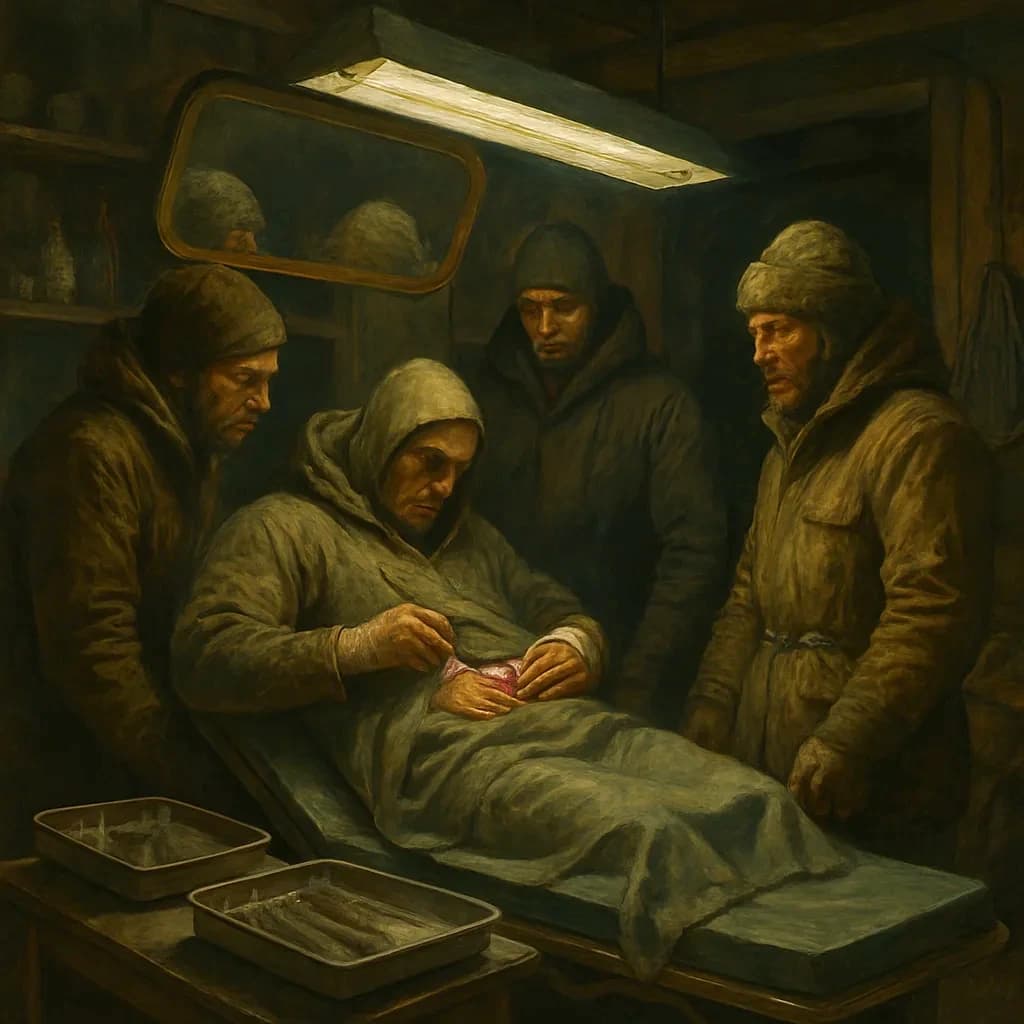
He Removed His Own Appendix in Antarctica
A doctor performed surgery on himself in Antarctica, knowing he would die without it, and his only assistant had never seen blood before.
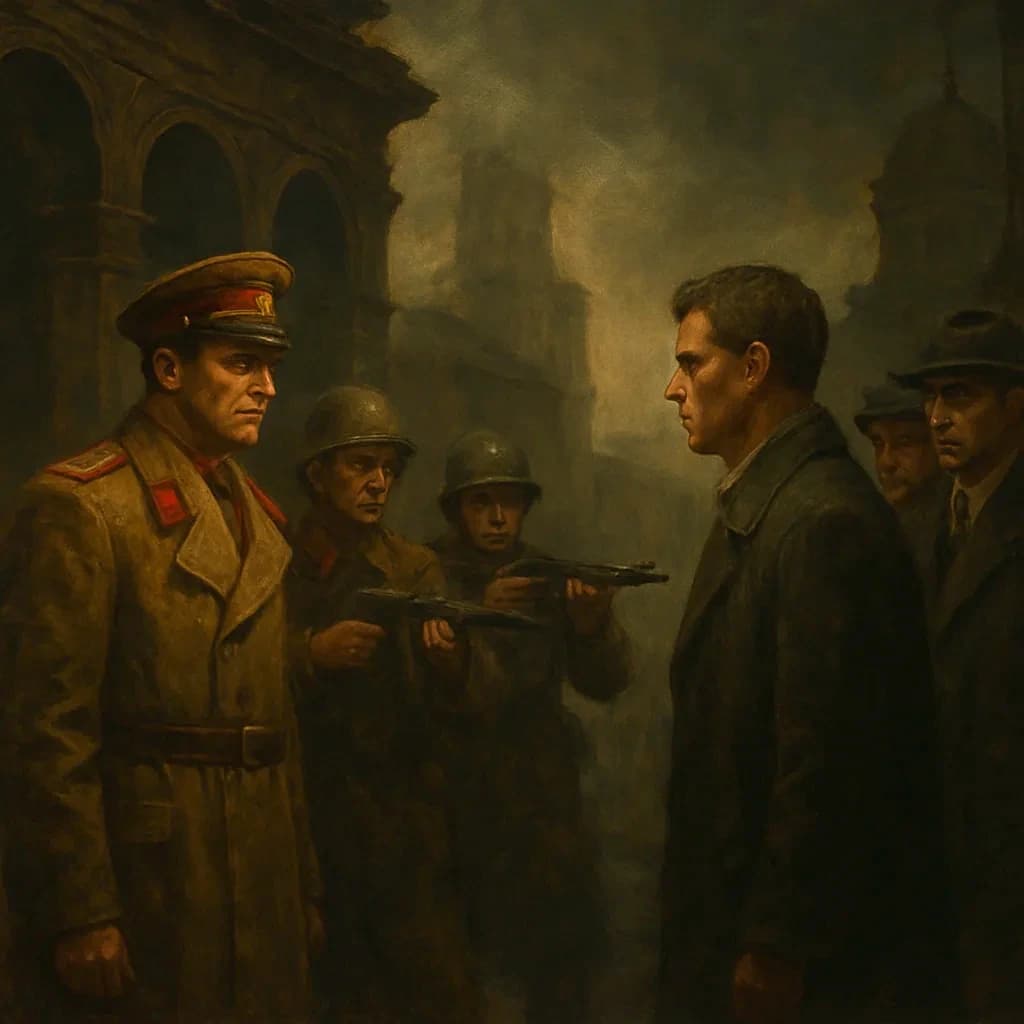
He Cut Out His Own Appendix in Antarctica
Trapped in Antarctica's endless night, a doctor diagnosed his own appendicitis and had no choice but to remove it himself.
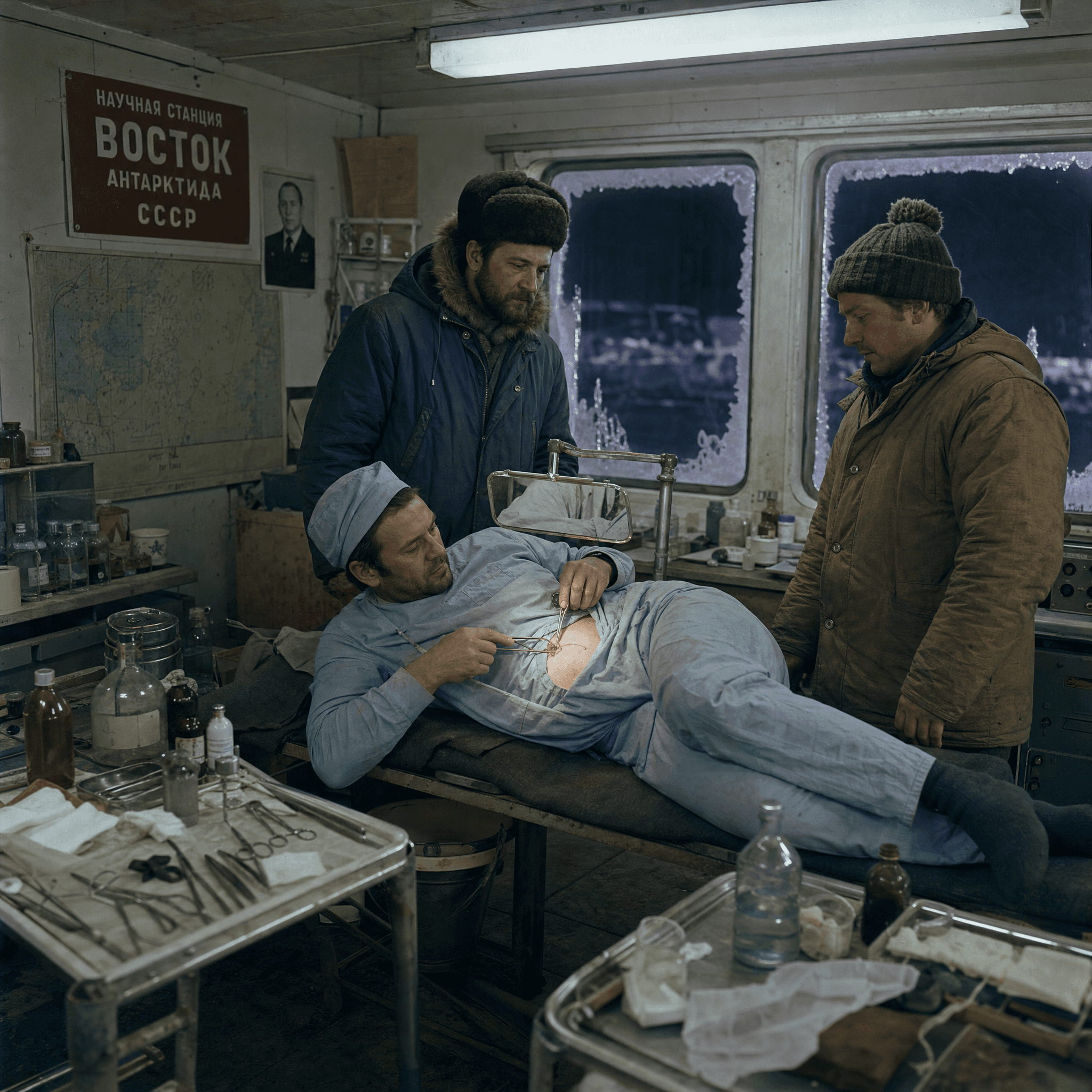
The Surgeon Who Operated on Himself
When a Soviet doctor in Antarctica developed appendicitis with no other surgeon for thousands of miles, he made a choice that redefined the limits of human endurance.
- Rogozov, V. 'The Man Who Operated on Himself in Antarctica.' Russian Polar Research, 2001
- Bendukidze, A. 'Soviet Antarctic Expeditions 1955-1965.' Moscow: Progress Publishers, 1987
- British Medical Journal. 'Self-Surgery in Antarctica.' BMJ 339 (2009)