
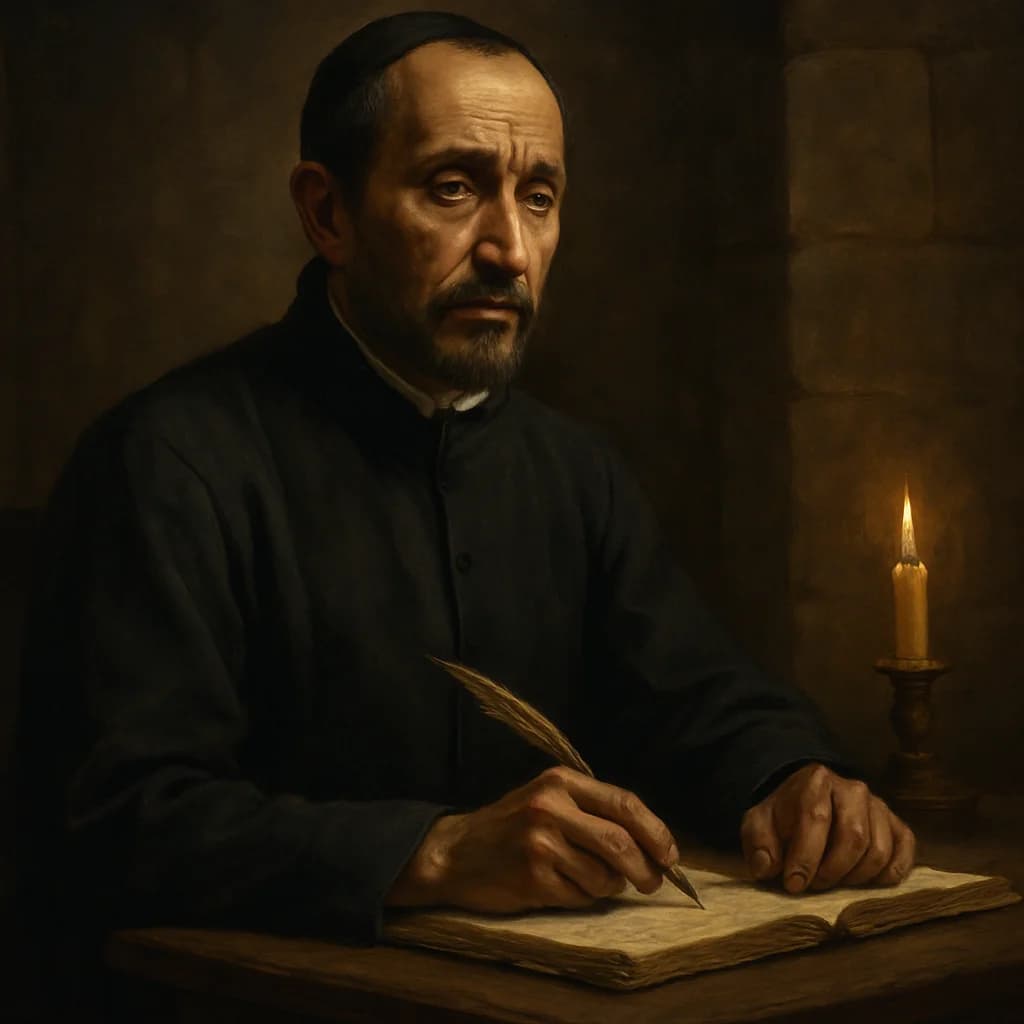
José de Acosta
He spent years trying to suppress what he discovered, and accidentally invented the science of altitude sickness instead.
José de Acosta arrived in Peru in 1572 convinced he already understood the world. He was a Jesuit priest, a trained theologian, a man whose entire intellectual framework had been built in the libraries of Salamanca and the seminaries of Castile. Then he crossed the Andes at a mountain pass called Pariacaca, and his body simply stopped working.
The nausea hit first, then the vomiting, then a disorientation so severe he later wrote that he was certain he was dying. What Acosta experienced at roughly 17,000 feet was acute altitude sickness: a phenomenon that European science had no name for, no category for, no explanation whatsoever. He survived, made it to Lima, and did something extraordinary: he wrote it down with clinical precision. His 1590 work Historia Natural y Moral de las Indias contains the first scientific description of altitude sickness in Western literature, and his hypothesis (that the air itself was somehow thinner, less substantial) was directionally correct three centuries before physiology could prove it. He reached that conclusion not through instruments but through the simple, devastating act of paying attention to his own suffering.
The same book is a catalog of obsessive, almost reluctant documentation. Acosta spent seventeen years moving between Peru and Mexico, and everything he saw seemed to trouble him theologically. The flora, the fauna, the peoples, the trade systems: none of it fit the biblical geography he'd been trained to see. How had animals reached the Americas if Noah's ark landed on Ararat? He worked through the problem seriously, proposing that a land bridge or narrow sea passage must once have connected the continents. He was gesturing, in 1590, toward the Bering Strait theory. He also wrote careful, conflicted observations about cacao (describing its use, its trade value, its preparation) while simultaneously voicing squeamishness about whether European Christians should be drinking it. That hesitation, shared by Jesuit communities in Mexico who controlled early chocolate processing, contributed to decades of deliberate institutional slowness in spreading knowledge of the crop.
Acosta went home to Spain in 1587, was briefly investigated by the Inquisition for unrelated ecclesiastical politics, survived that too, and died in Salamanca in 1600. He spent his last years as a respected administrator. The mountain pass nearly killed him. The book outlasted everything.
Acosta's Historia Natural y Moral de las Indias was translated into English, French, Dutch, German, and Italian within twenty years of publication, making it one of the most widely circulated descriptions of the Americas in early modern Europe, yet Acosta himself never returned to the New World after 1587.
Why untold: Acosta's scientific contributions were absorbed into later disciplines (climatology, ethnography, biogeography) without attribution, because seventeenth-century scholars preferred to cite classical authorities over Jesuit missionaries, systematically stripping his name from ideas he originated.
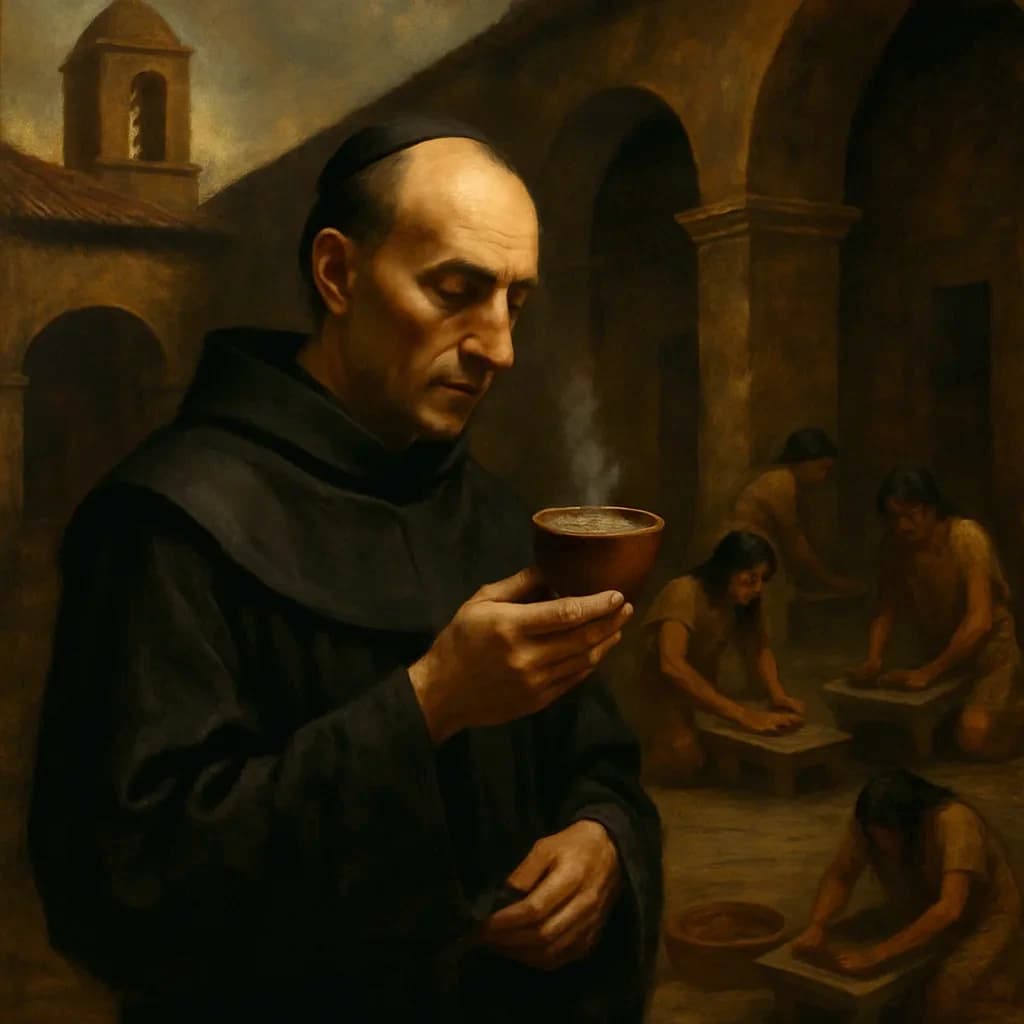
The Church Banned Chocolate as a Dangerous Intoxicant for 300 Years
For 300 years, the Catholic Church declared chocolate a dangerous intoxicant that broke religious fasts.
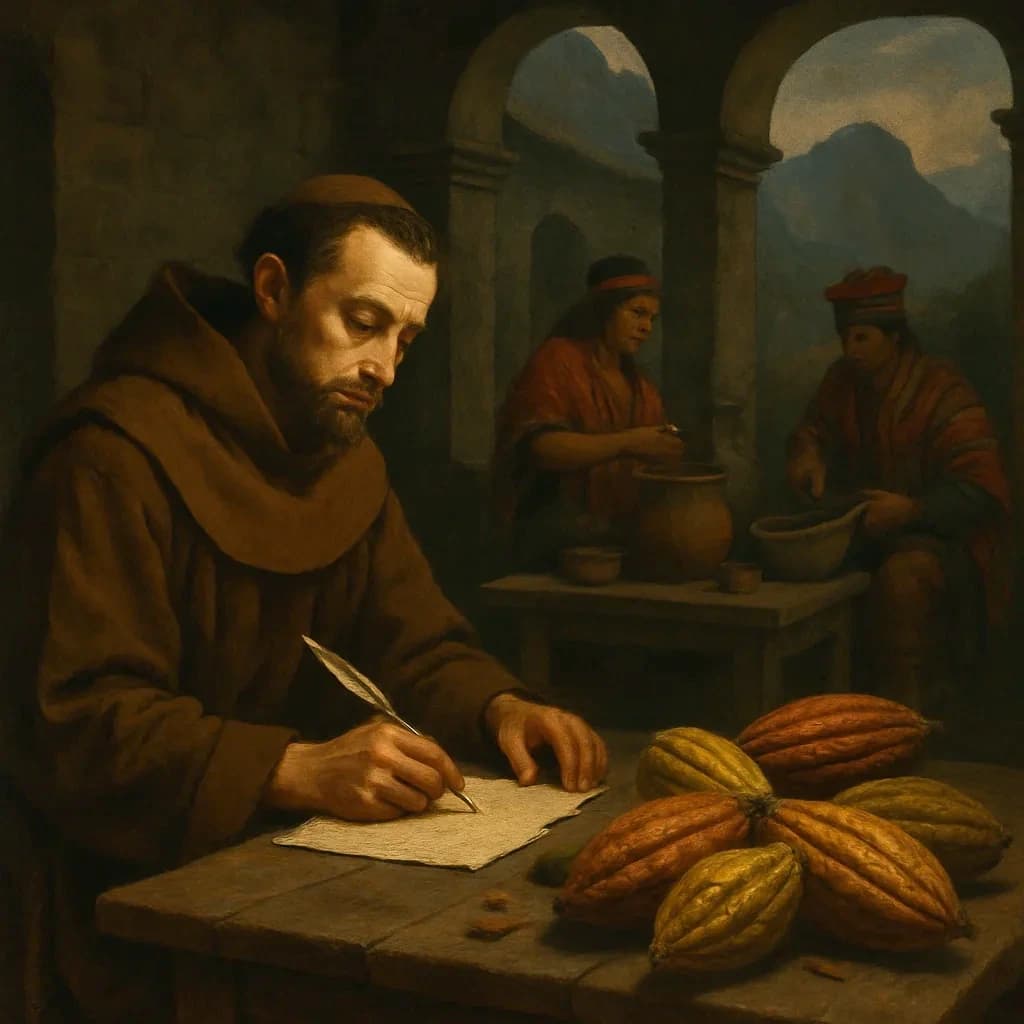
A Monk Begged Rome to Ban Chocolate
A Spanish monk tried to keep the gods' drink secret from the world, but love ruined everything.
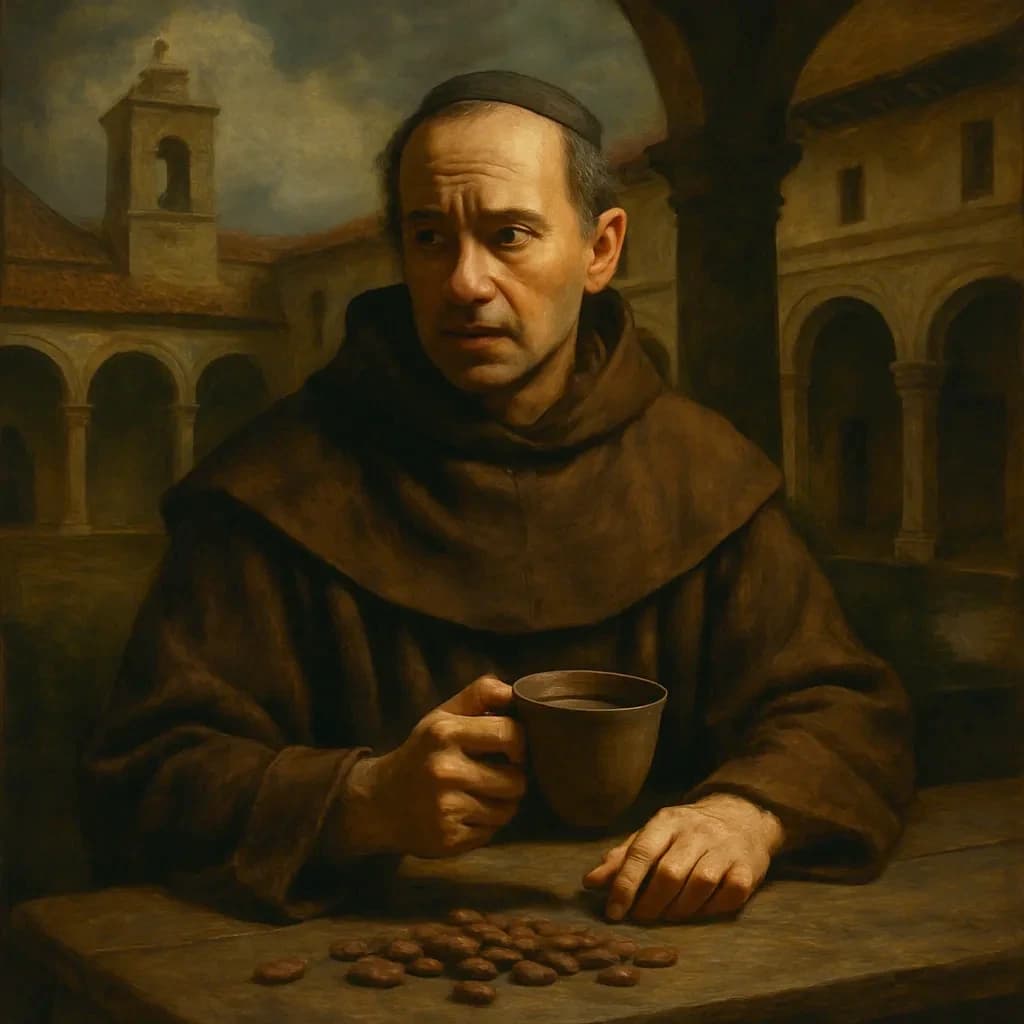
When Chocolate Almost Stayed in Heaven
A Jesuit missionary's guilty conscience nearly kept the world's most beloved flavor locked away in Mexican monasteries forever.
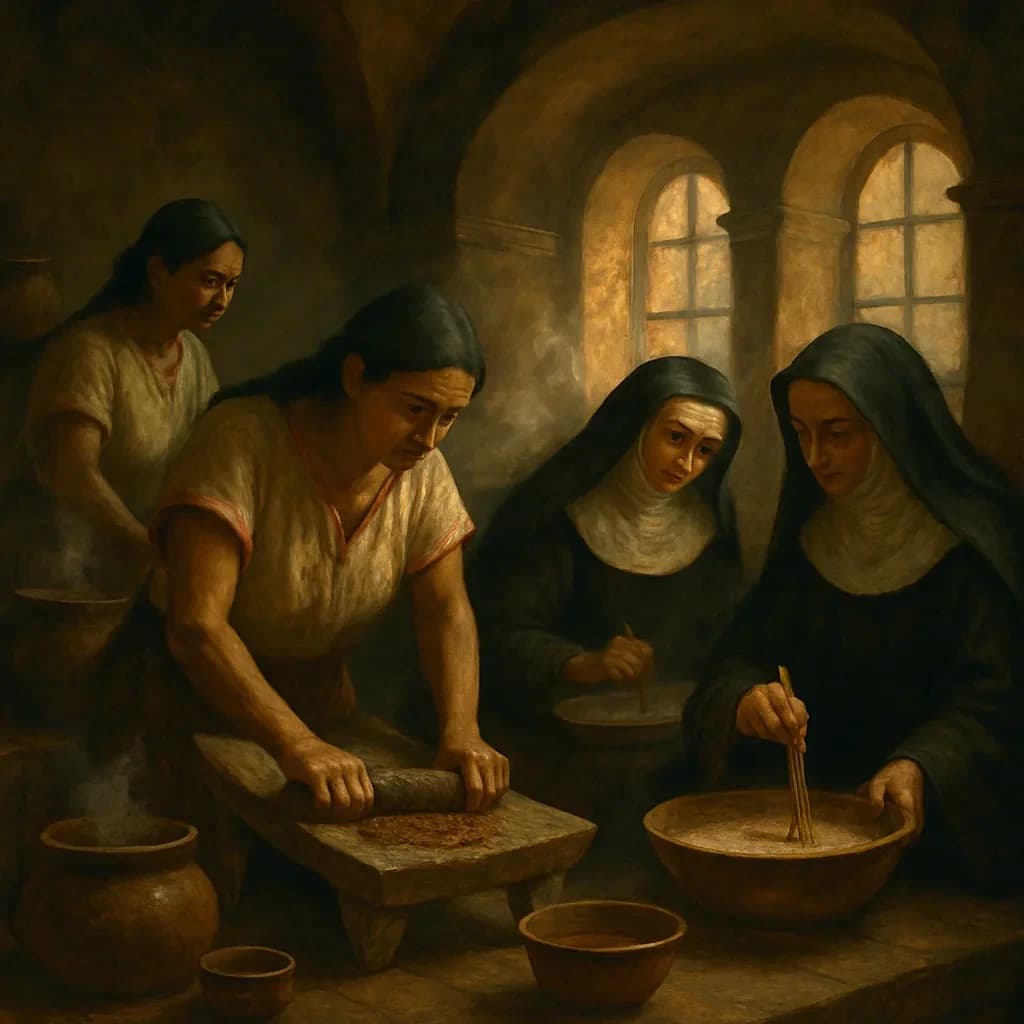
When Chocolate Almost Stayed Secret Forever
A Spanish priest's private guilt nearly kept the most valuable crop in the Americas hidden from Europe for a century.
- Acosta, José de. Historia Natural y Moral de las Indias (1590). Ed. Edmundo O'Gorman, Fondo de Cultura Económica, 1962.
- Pagden, Anthony. The Fall of Natural Man: The American Indian and the Origins of Comparative Ethnology. Cambridge University Press, 1982.
- Bleichmar, Daniela. Visible Empire: Botanical Expeditions and Visual Culture in the Hispanic Enlightenment. University of Chicago Press, 2012.