
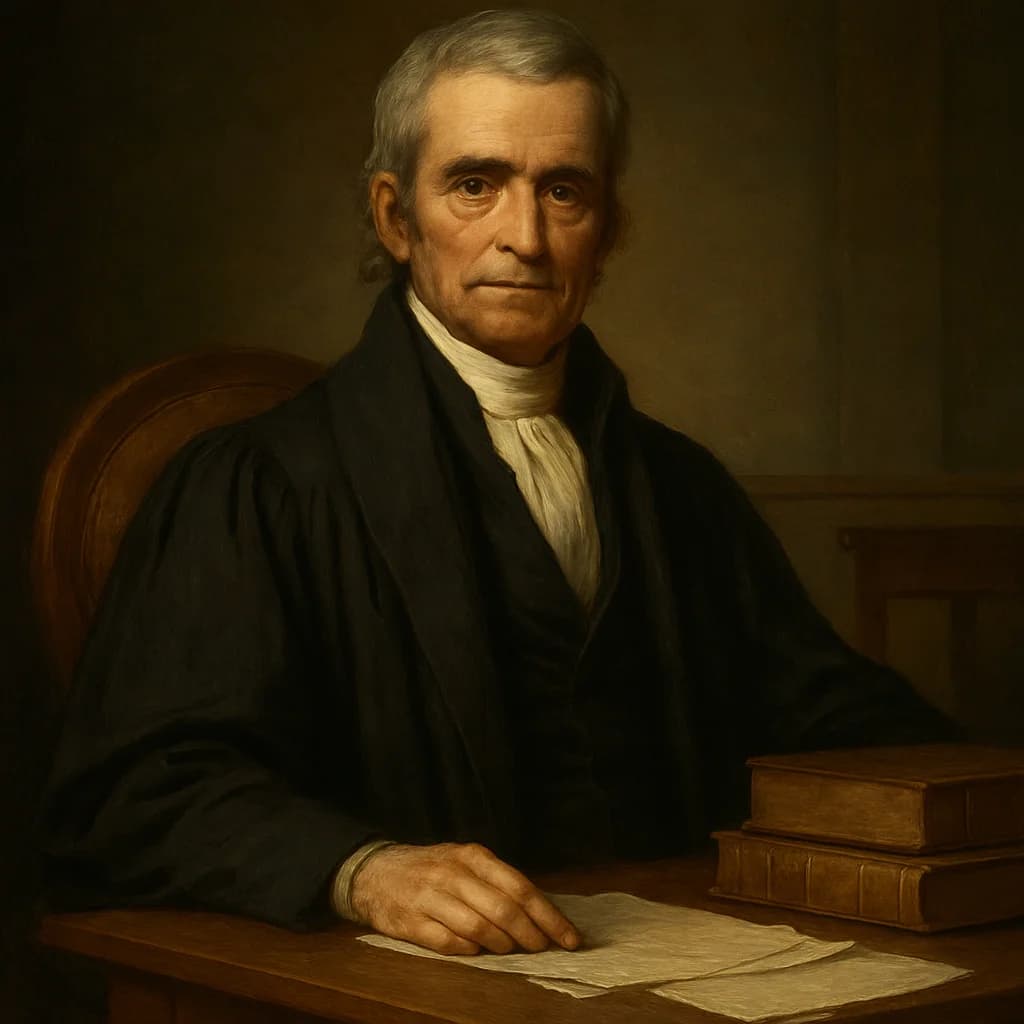
John Marshall
The man who invented judicial review never went to law school, and his most famous decision came from a case he probably should have recused himself from.
John Marshall learned law the way most ambitious young men learned trades in 1780s Virginia, by reading Blackstone's Commentaries under candlelight and watching older lawyers argue cases. No formal legal education, no bar exam, just raw intelligence and a mentor who happened to be George Wythe, Thomas Jefferson's old law professor. Within a decade, this backwoods attorney would reshape American government in ways the Founders never imagined.
When John Adams nominated Marshall as Chief Justice in 1801, it was a last-minute Federalist gambit to maintain influence as Jefferson's Republicans took power. Adams signed the commission at 9 PM on his final night as president. Marshall, still serving as Adams's Secretary of State, was supposed to deliver his own appointment papers, but forgot. This administrative fumble created the perfect storm for Marbury v. Madison, where Marshall faced a case involving his own paperwork error.
The genius move came in 1803. Rather than rule on whether James Madison had to deliver William Marbury's commission, Marshall declared the entire law unconvinant, giving Jefferson what he wanted while establishing something far more powerful. In one stroke, he created judicial review, the principle that Supreme Court justices could overturn any law they deemed unconstitutional. Jefferson got his immediate victory but handed Marshall's Court ultimate authority over American law.
For thirty-four years, Marshall wielded this new power with surgical precision, transforming a weak federal government into the constitutional framework we recognize today. He ruled that states couldn't tax federal institutions, that Congress could regulate interstate commerce, and that contracts were sacred. Each decision built on the last, creating a legal architecture that would outlast every president who appointed justices to challenge it.
Marshall served as Chief Justice for 34 years and wrote 519 of the 574 decisions issued by his Court, establishing legal precedents that still govern American law today.
Why untold: His lack of formal legal training is overshadowed by focus on his constitutional decisions, making his rise seem inevitable rather than remarkable.
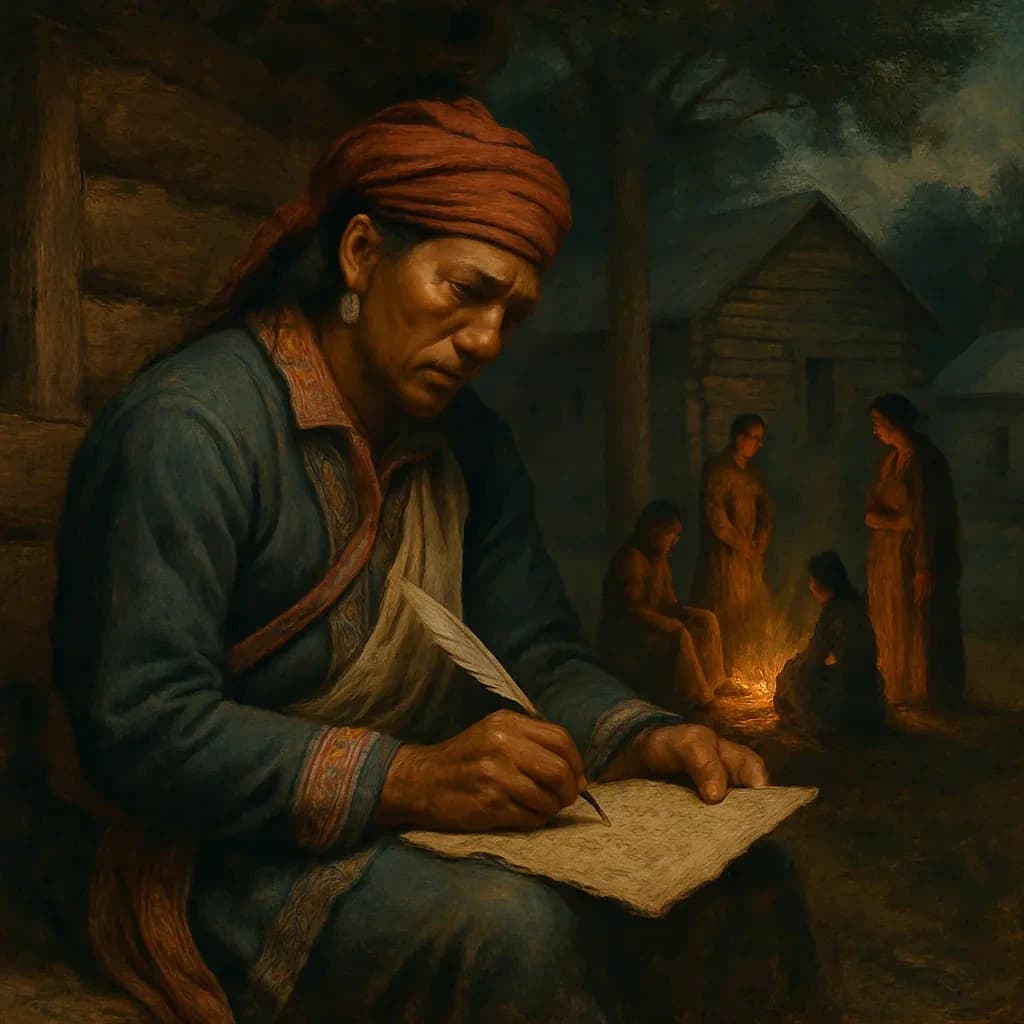
He Invented an Alphabet and His Nation Read in Twelve Years
A Cherokee syllabary created overnight made an entire nation literate in twelve years. Then the US government tried to erase it.
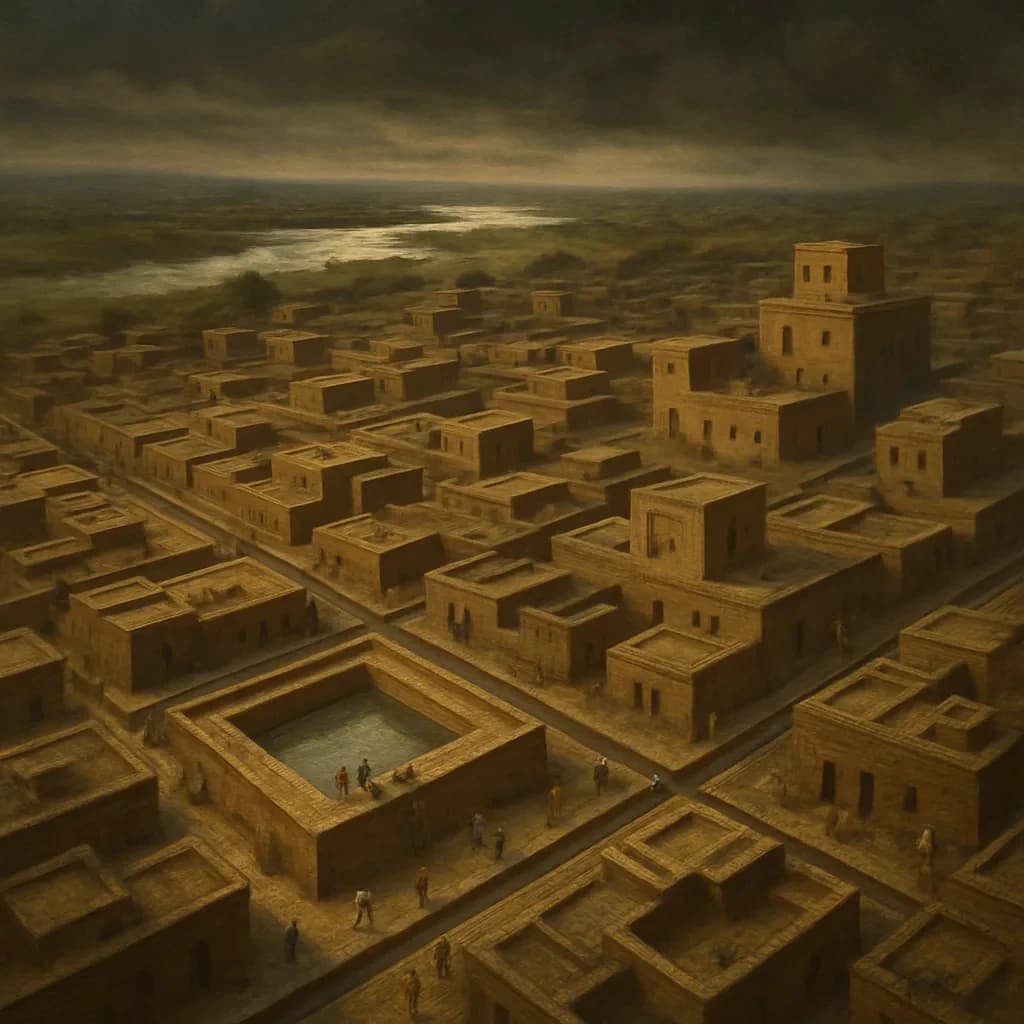
Flush Toilets in 2600 BCE, and No Kings
Harappa had flush toilets when London was a swamp, but nobody bothered to write down their names.
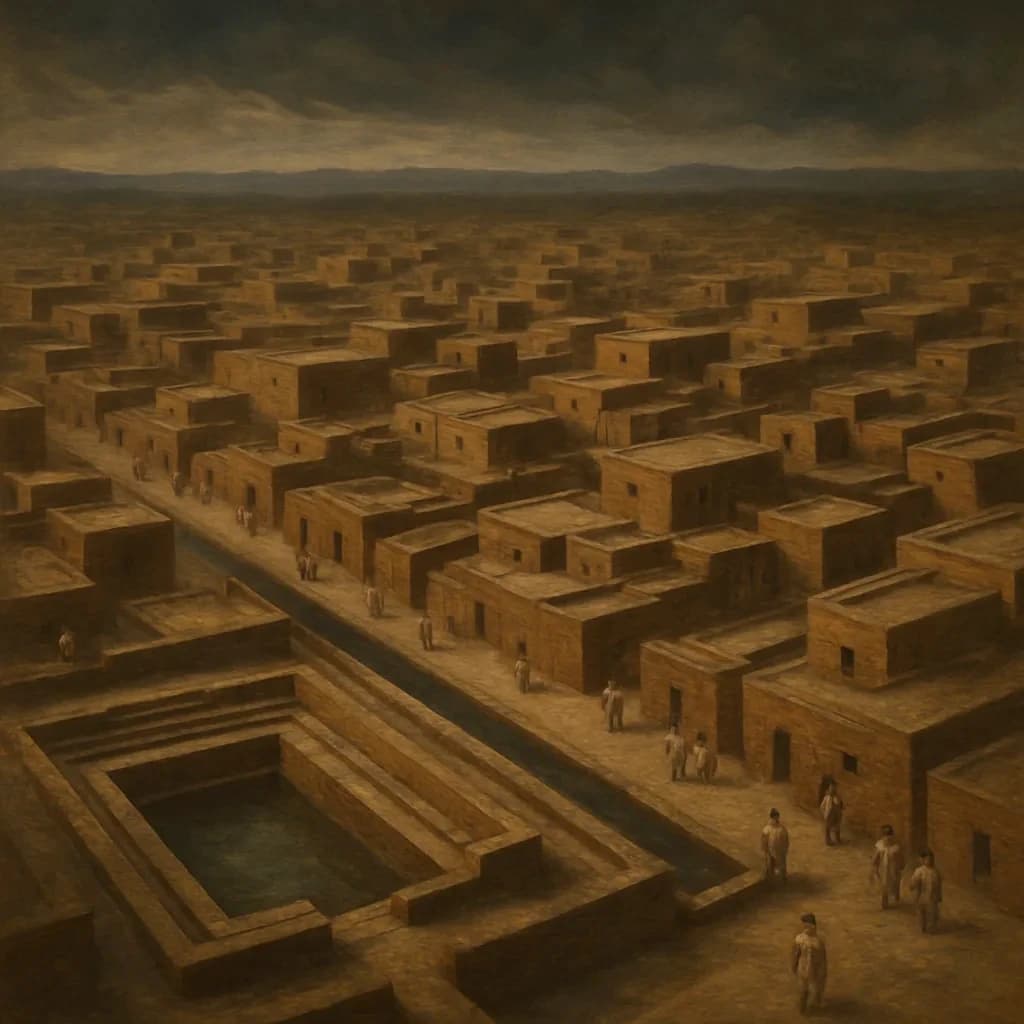
Harappa Invented the Decimal System, Then Vanished
While Europe struggled with Roman numerals, a forgotten civilization was performing advanced surgery and inventing the decimal system.
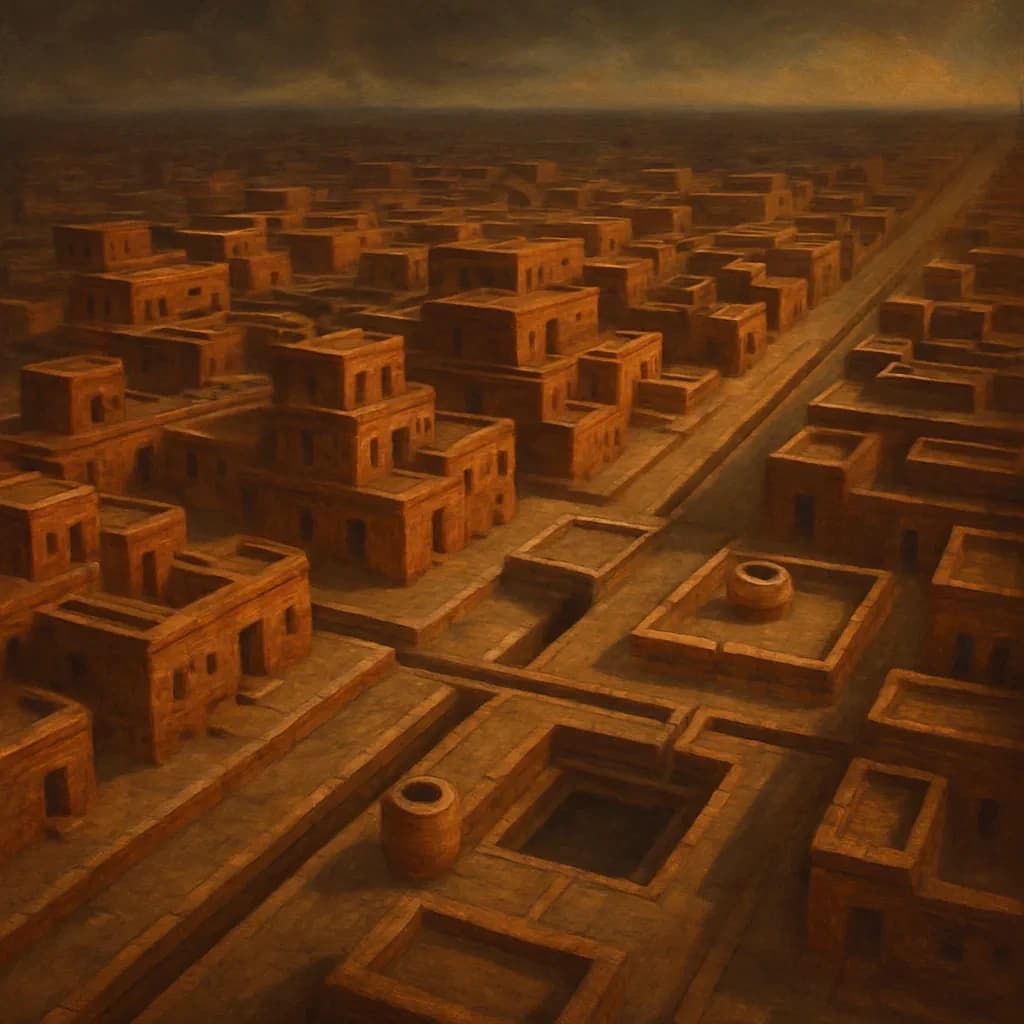
Flush Toilets 4,000 Years Before Their Time
Archaeologists in the 1920s uncovered the ruins of a civilization with flush toilets, planned streets, and standardized weights, 4,000 years before anyone thought such things existed.
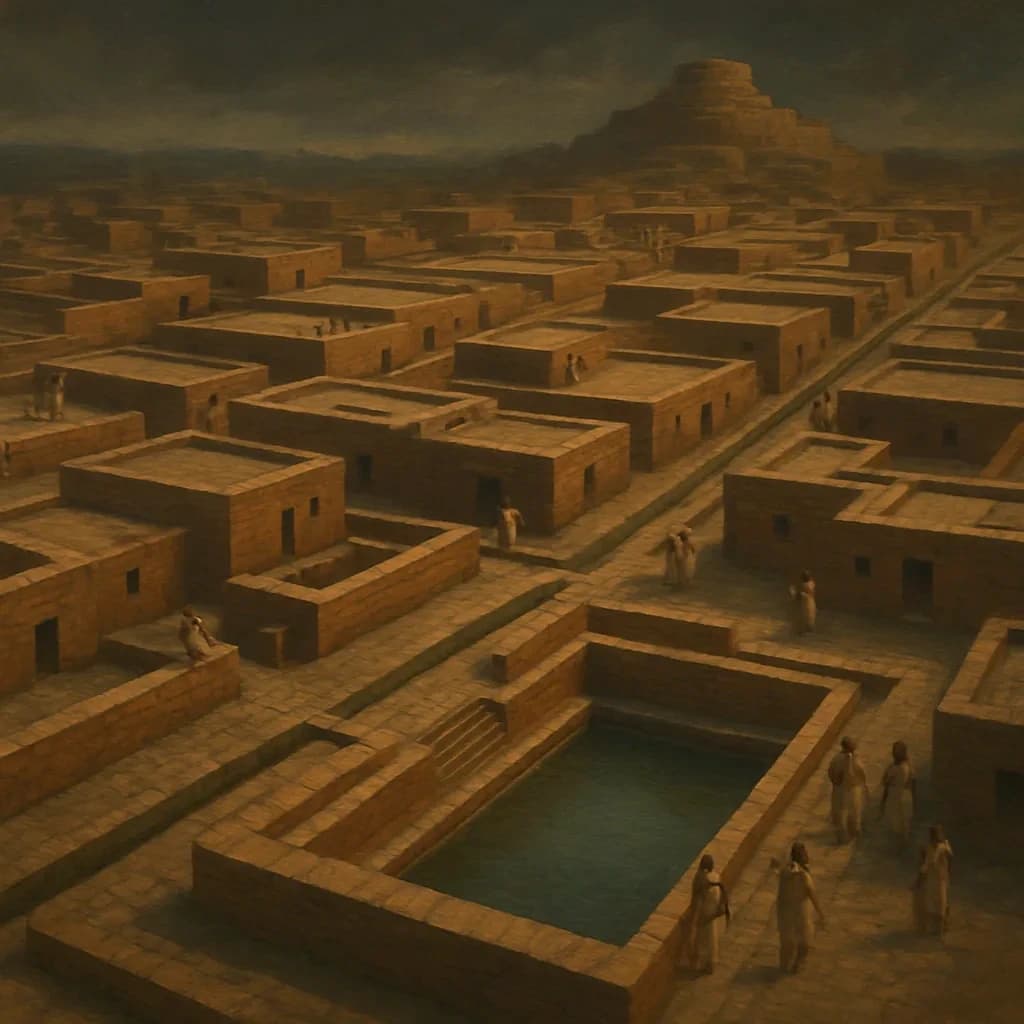
Flush Toilets Existed Before Anyone Had Heard of Pharaohs
Before Rome, before Athens, before anyone had heard of pharaohs, there was a place with flush toilets, standardized weights, and urban planning that wouldn't be matched for 3,000 years.
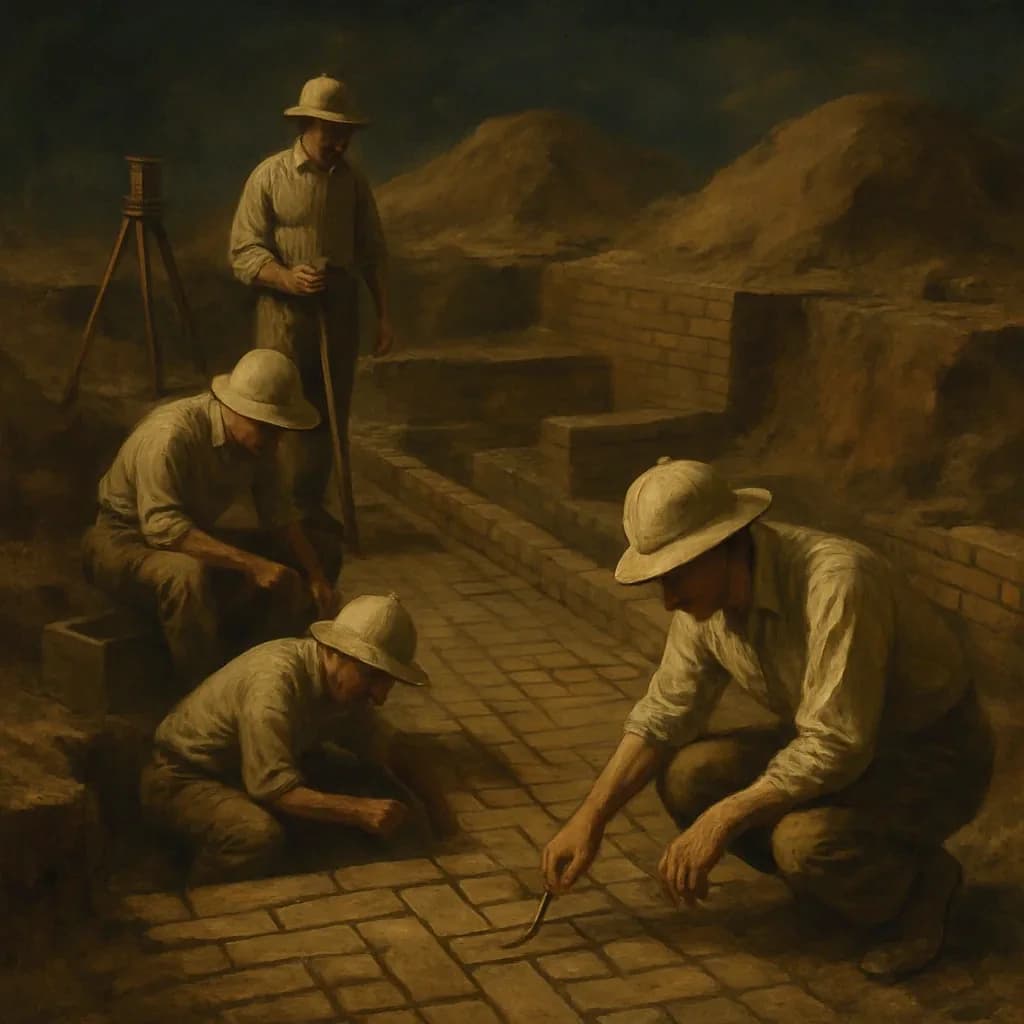
They Found a City Larger Than Rome. Then It Vanished Again
In 1922, archaeologists found a metropolis larger than ancient Rome, with running water and sewage systems that wouldn't be matched for 3,000 years. Then it disappeared again.
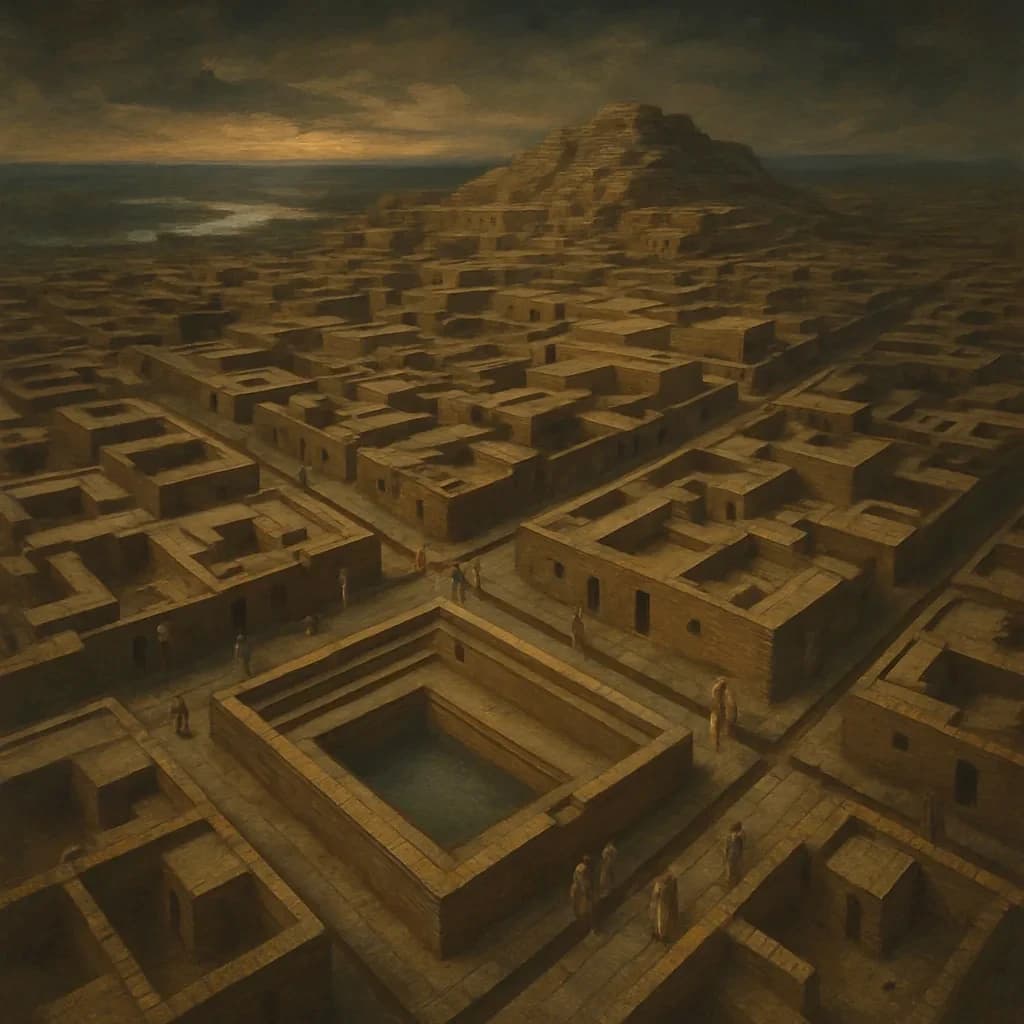
Flush Toilets, No Palaces: The Indus Valley Puzzle
In Pakistan's desert, archaeologists found flush toilets, city planning, and standardized weights from 4,500 years ago, but not a single palace, temple, or weapon.
- Jean Edward Smith, John Marshall: Definer of a Nation (1996)
- R. Kent Newmyer, John Marshall and the Heroic Age of the Supreme Court (2001)
- Charles F. Hobson, The Great Chief Justice: John Marshall and the Rule of Law (1996)