
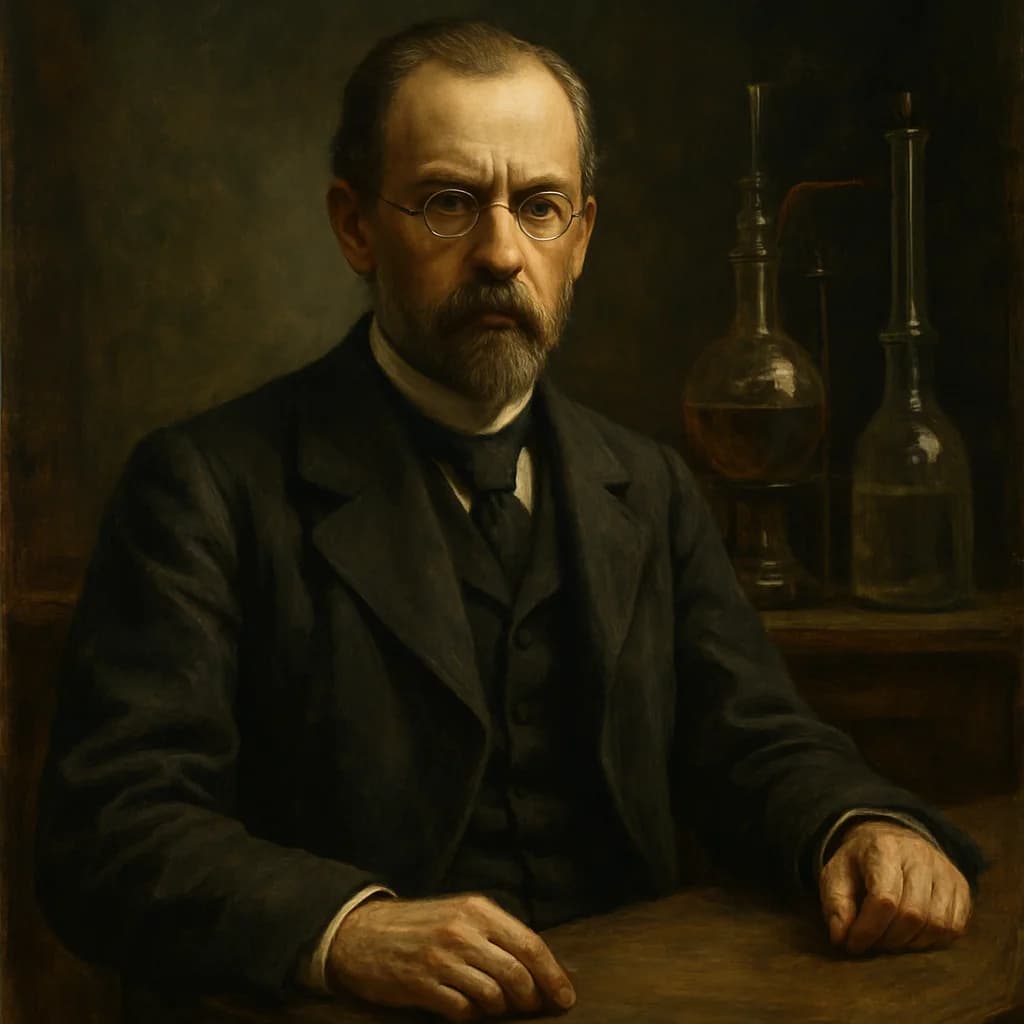
Heinrich Dreser
The man who gave the world heroin thought he was creating aspirin's gentler cousin.
Heinrich Dreser stood in his Bayer laboratory in 1897, convinced he'd solved medicine's greatest puzzle. The company's new wonder drug, aspirin, was revolutionary but harsh on the stomach. Dreser needed something equally powerful but kinder, a painkiller that wouldn't cause the bleeding and nausea that plagued aspirin users. When his team synthesized diacetylmorphine, Dreser was delighted. Here was a compound that delivered morphine's pain relief without morphine's troublesome side effects.
The irony cuts deep: Dreser, Bayer's head of pharmacology, was genuinely trying to create a safer alternative to existing painkillers. His meticulous testing showed the new drug suppressed coughs more effectively than codeine and seemed to lack morphine's respiratory depression. Even the name reflected his optimism: "heroin" came from the German "heroisch," meaning heroic, because test subjects reported feeling heroic and invincible. Dreser marketed it specifically as a non-addictive substitute for morphine, recommending it for everything from tuberculosis to children's coughs.
Dreser's scientific reputation was impeccable. He'd already overseen aspirin's development and had spent years studying drug metabolism. His heroin research followed rigorous protocols: animal testing, human trials, careful dosage studies. The medical community trusted him completely. When Bayer launched heroin in 1898, doctors prescribed it enthusiastically, particularly for respiratory ailments that plagued the industrial age.
The cruel twist came slowly. Dreser's "safe" alternative proved more addictive than morphine itself. By 1910, hospitals were treating heroin addiction epidemics. Dreser watched his life's work (intended to heal) become synonymous with destruction. He died in 1924, just as governments worldwide began banning the drug he'd genuinely believed would save lives.
Dreser initially tested heroin on Bayer employees, who reported such euphoric feelings that the company worried about workplace productivity and had to limit access to the drug during business hours.
Why untold: Medical history tends to vilify rather than examine the sincere scientific intentions behind pharmaceutical disasters.
A Sleepless Chemist's Cough Remedy Became History's Most Addictive Painkiller
A sleepless chemist in 1897 Berlin accidentally created the most addictive painkiller in history while trying to make a cough suppressant.
Bayer Sold Heroin as a Children's Cough Syrup
A German pharmacist set out to make a safer painkiller and instead created the drug that would kill more people than any plague in history.
The World's Most Popular Painkiller Took Seven Years to Prove Safe
A German chemist created the world's most popular painkiller while trying to cure his father's arthritis, then spent seven years fighting to prove it wouldn't kill people.
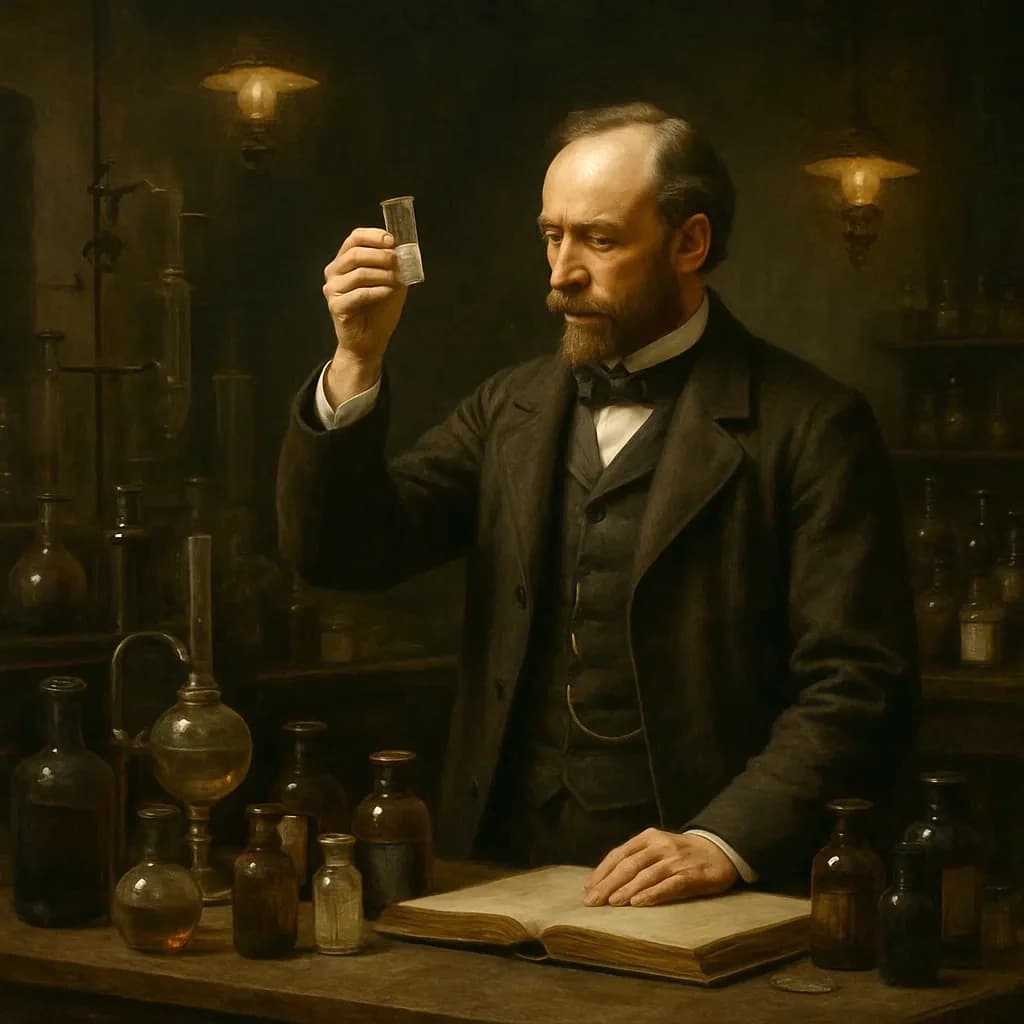
Bayer Sold Heroin Over the Counter as Cough Medicine
A German chemist named his new cough medicine after heroes in 1898, certain it was harmless.
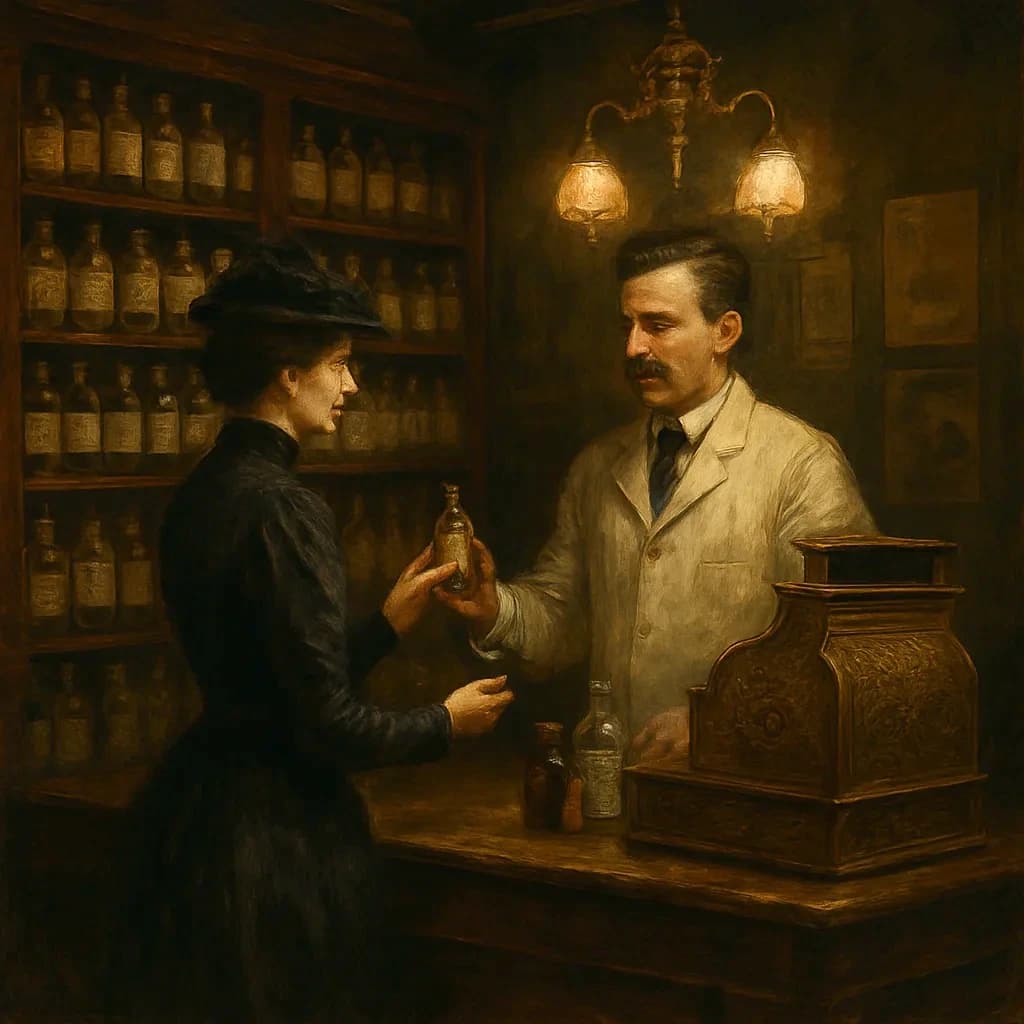
Bayer Sold Heroin as Children's Cough Medicine
A cough syrup marketed to Victorian mothers contained more heroin than most street drugs today.
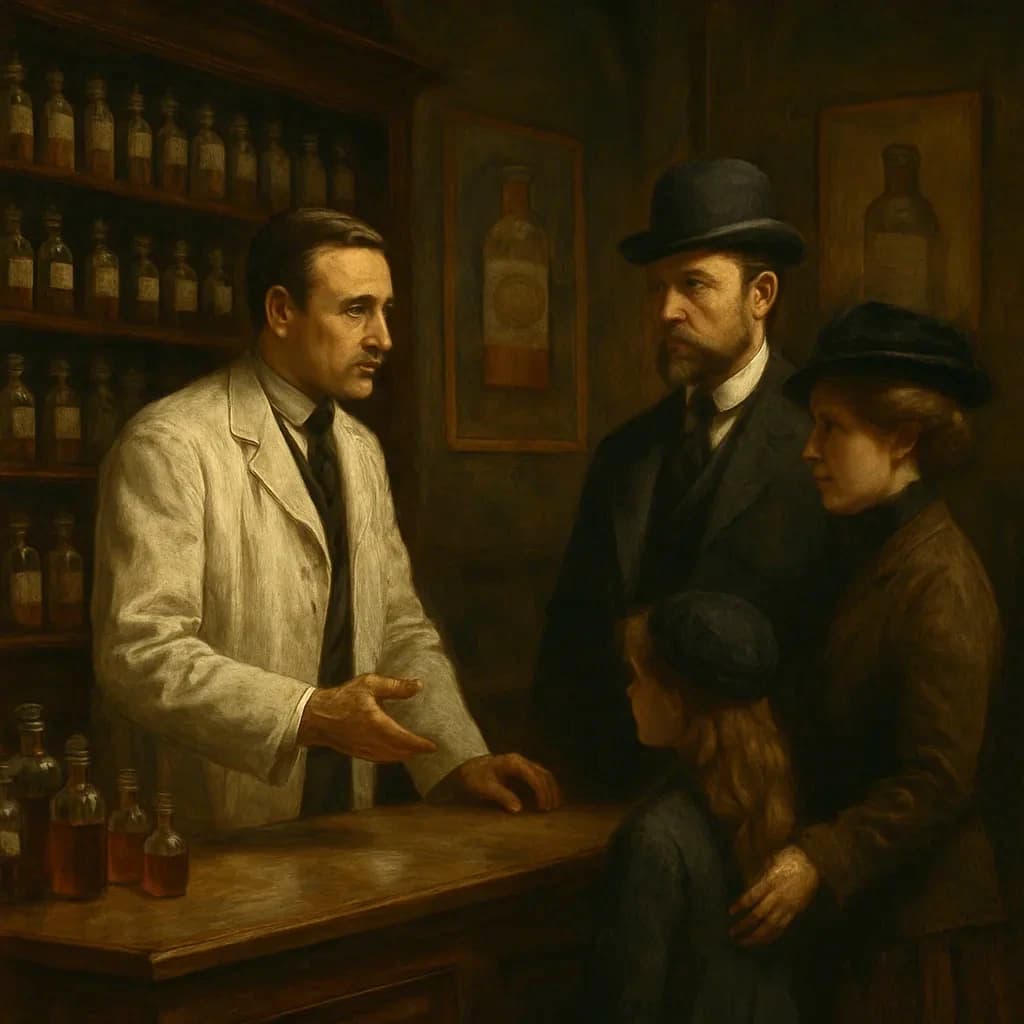
How Bayer Sold Heroin as Medicine for Children
German pharmaceutical companies turned an entire generation into addicts with medicine bottles that promised relief but delivered dependency.
- Musto, David F. 'The American Disease: Origins of Narcotic Control.' Oxford University Press, 1999.
- Sneader, Walter. 'The discovery of heroin.' The Lancet, Volume 352, Issue 9141, 1998.
- Davenport-Hines, Richard. 'The Pursuit of Oblivion: A Global History of Narcotics.' Norton & Company, 2002.