
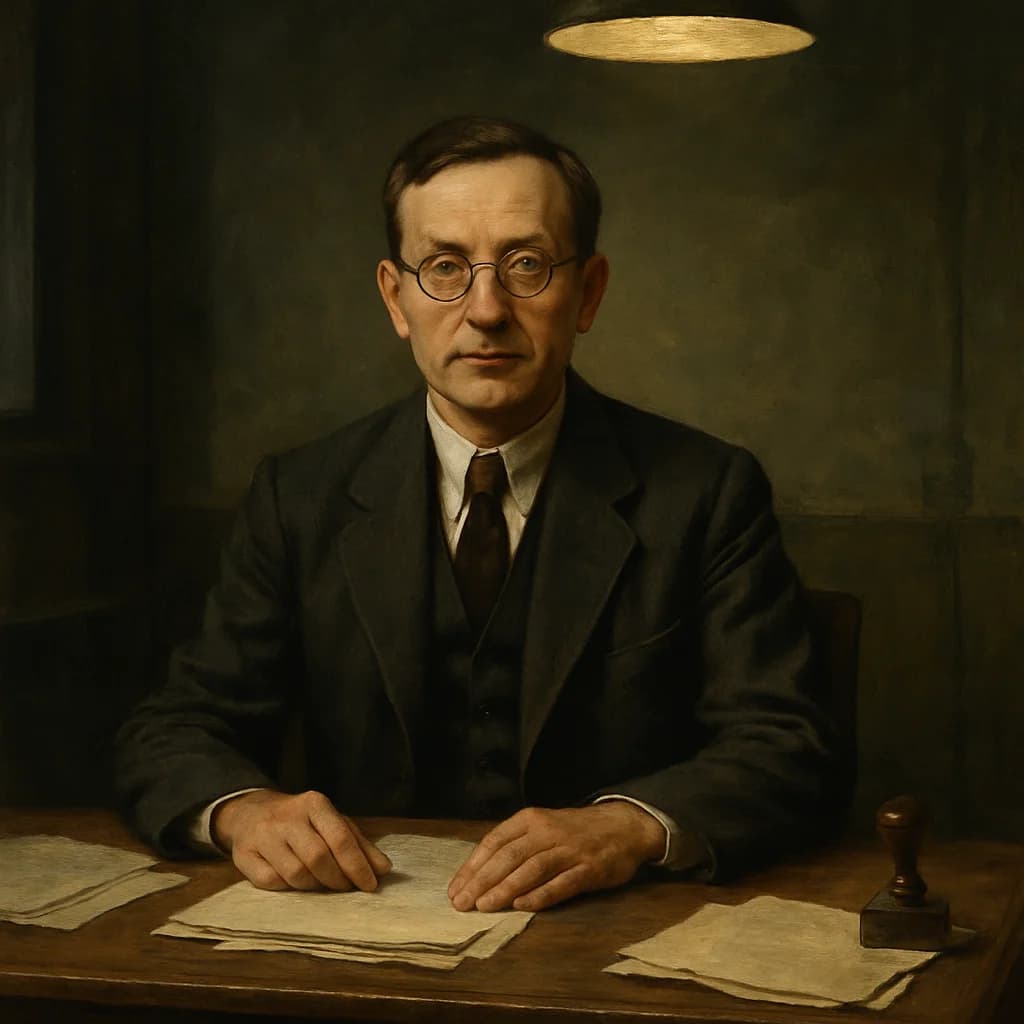
Frank Foley
He saved ten thousand Jewish lives by breaking every rule in the British government's book, and his bosses didn't find out until he was already dead.
Frank Foley arrived in Berlin in 1920 as a passport control officer, which is exactly what a British intelligence officer says he does when he doesn't want to tell you what he actually does. His real employer was MI6. His real job was watching the Germans. But by the mid-1930s, something shifted, because Foley started watching what was happening to Jewish families in the streets outside his office window, and he couldn't make himself look away.
The British government had a policy on Jewish emigration from Nazi Germany: strict quotas, rigorous documentation, no exceptions. Foley's job was to enforce those rules. Instead, he began dismantling them, quietly and methodically. He issued visas to people who didn't meet the legal requirements. He forged documents. He personally walked into Gestapo holding facilities (no diplomatic immunity, no protection, just a British passport control officer who'd decided that procedure was less important than survival) and negotiated the release of Jews who had already been arrested. He hid people in his own home. He did this for years. The Gestapo watched him constantly and could never quite prove what they suspected.
What makes this harder to process is how little noise it made. Foley wasn't a dramatic man. He was small, wore wire-rimmed glasses, and suffered from serious health problems that would eventually leave him partially disabled. He looked like an accountant. He acted like one too, right up until the moment he handed you a forged visa that would get you out of Germany alive. He never sought recognition. When he returned to Britain in 1939 (recalled just before the war made Berlin untenable), he went back to intelligence work and said almost nothing about what he'd done.
He died in 1958. His MI6 file stayed classified for decades. The people he saved knew. The British government, technically, did not, or preferred not to. It took until 1999 for Israel to recognize him as Righteous Among the Nations. By then, the man himself had been gone for forty years, which would have suited him perfectly.
Foley never claimed diplomatic immunity during his operations in Berlin. He had none, because his passport control cover position didn't qualify for it, meaning every visit to a Gestapo facility was a personal gamble with no legal protection whatsoever.
Why untold: His story was buried for decades by the same classified intelligence apparatus he worked within. MI6 files on Foley remained sealed long after the war, and without official documentation, survivors' testimonies had no institutional anchor to attach to.
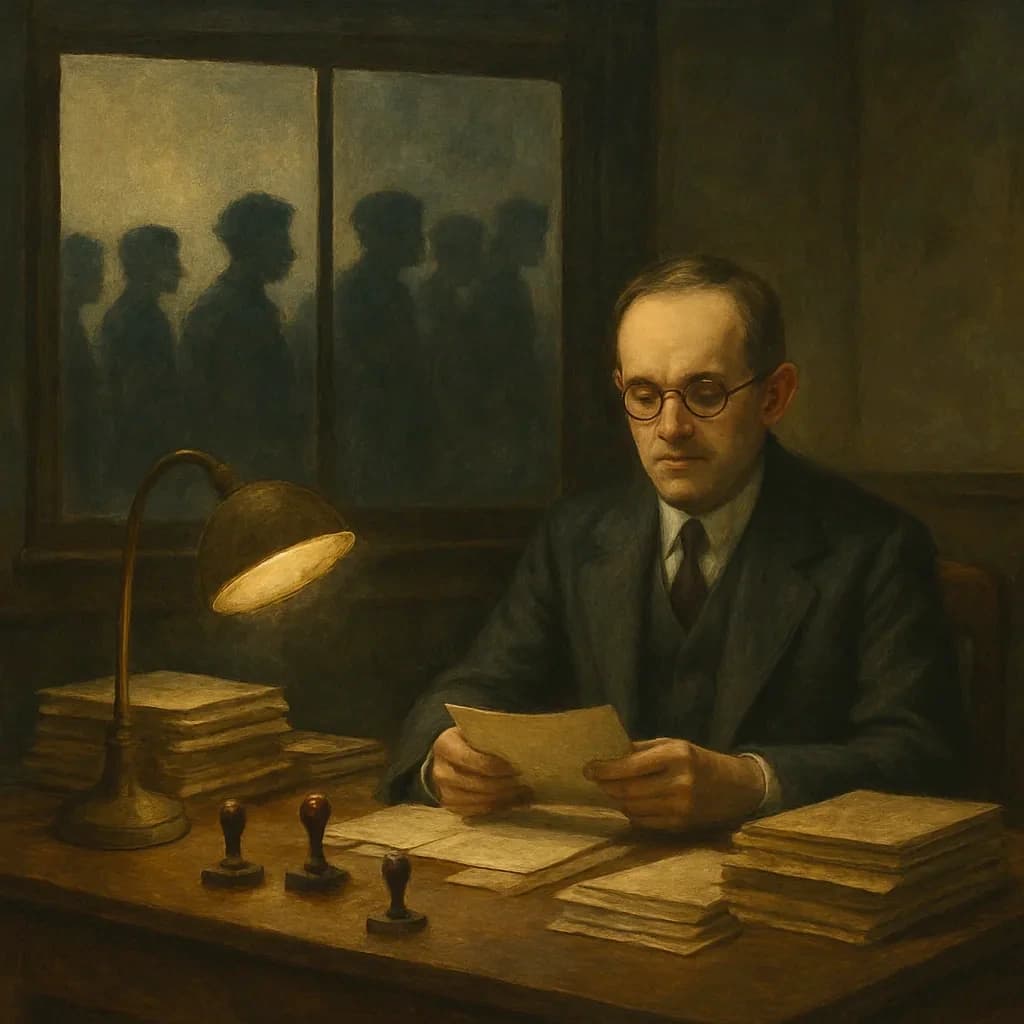
The Night a Cartographer Saved Three Million Jews
In 1938, a mid-level British visa official ignored his government's direct orders, and the paperwork he stamped may have saved more Jewish lives than any single act of the war.
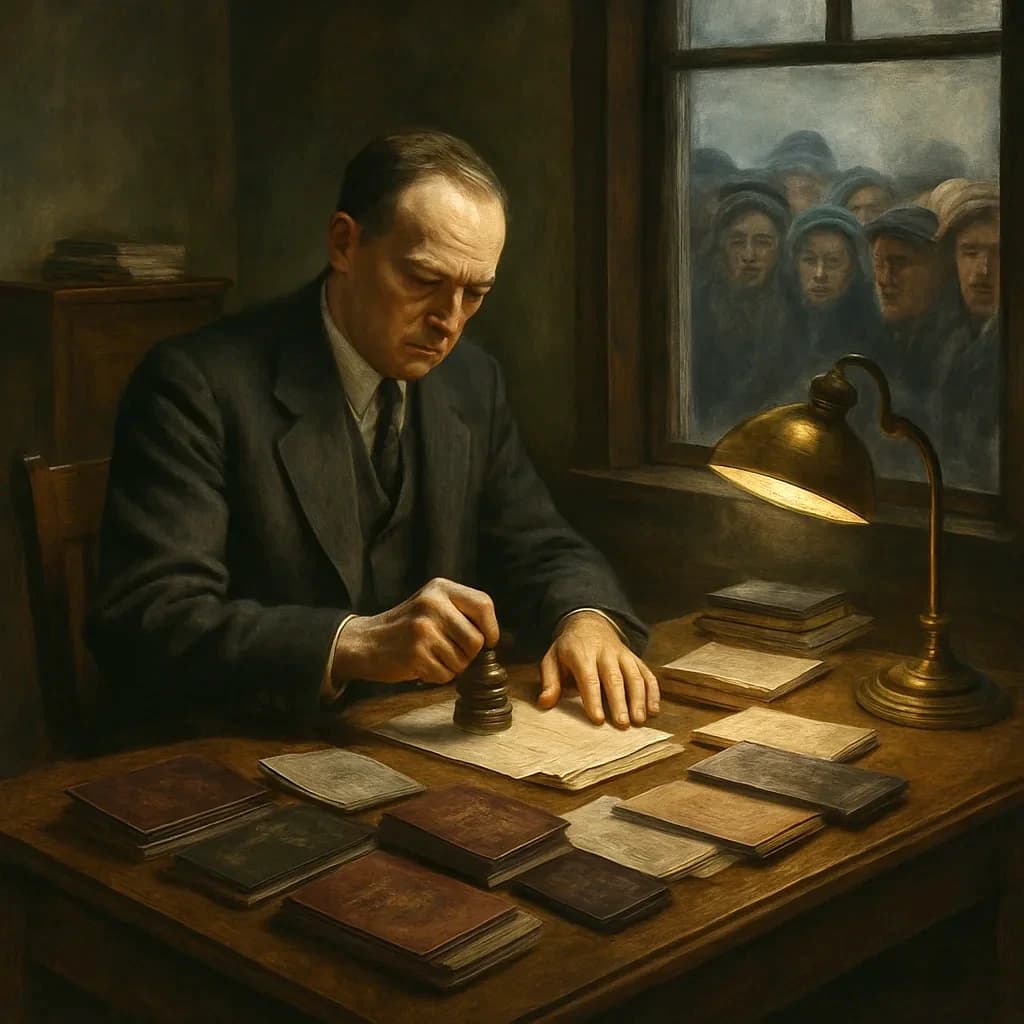
The Spy Who Stamped 10,000 Jews to Safety
A mild-mannered British visa officer in Berlin broke every rule in the book in 1940, and saved ten thousand Jews with a rubber stamp.
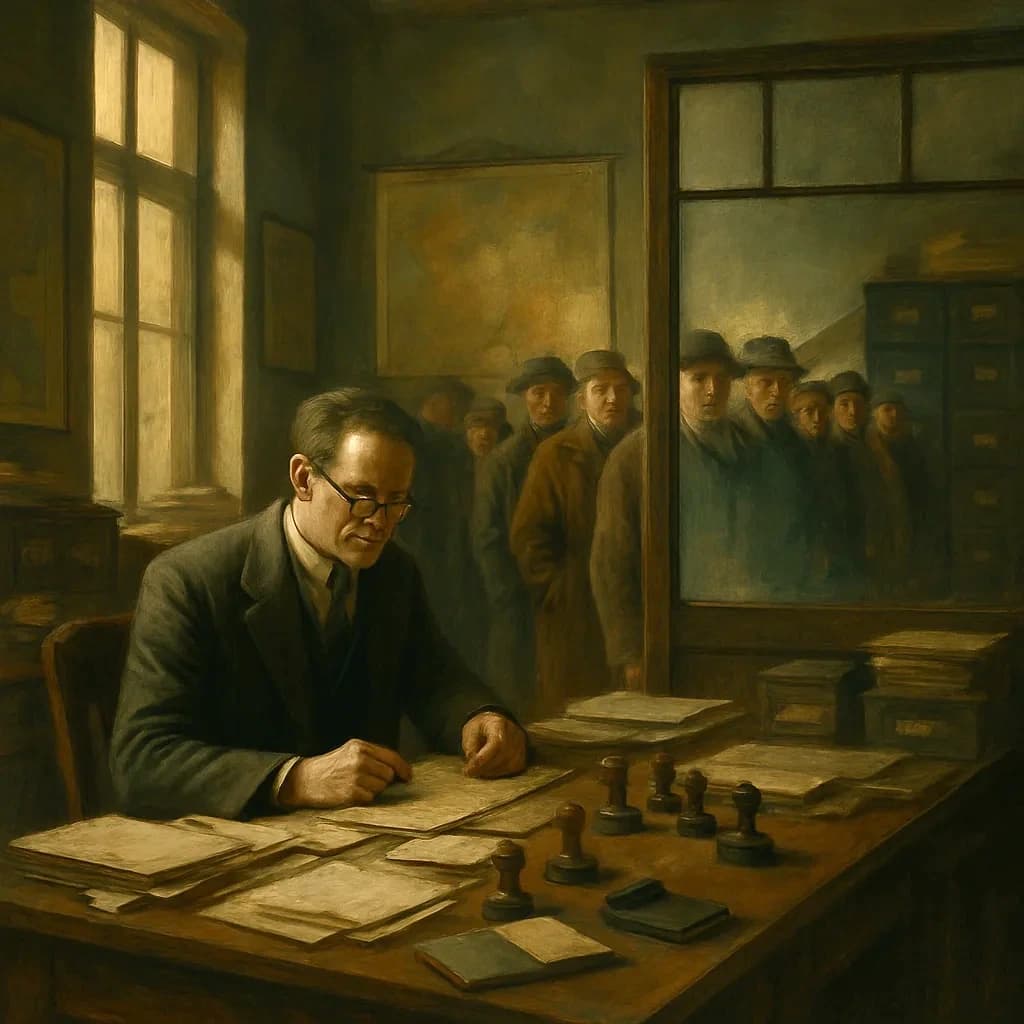
Forging Visas in Nazi Berlin to Save Jews
A British passport control officer in Berlin spent his evenings forging visas, and his bosses never found out until after the war.
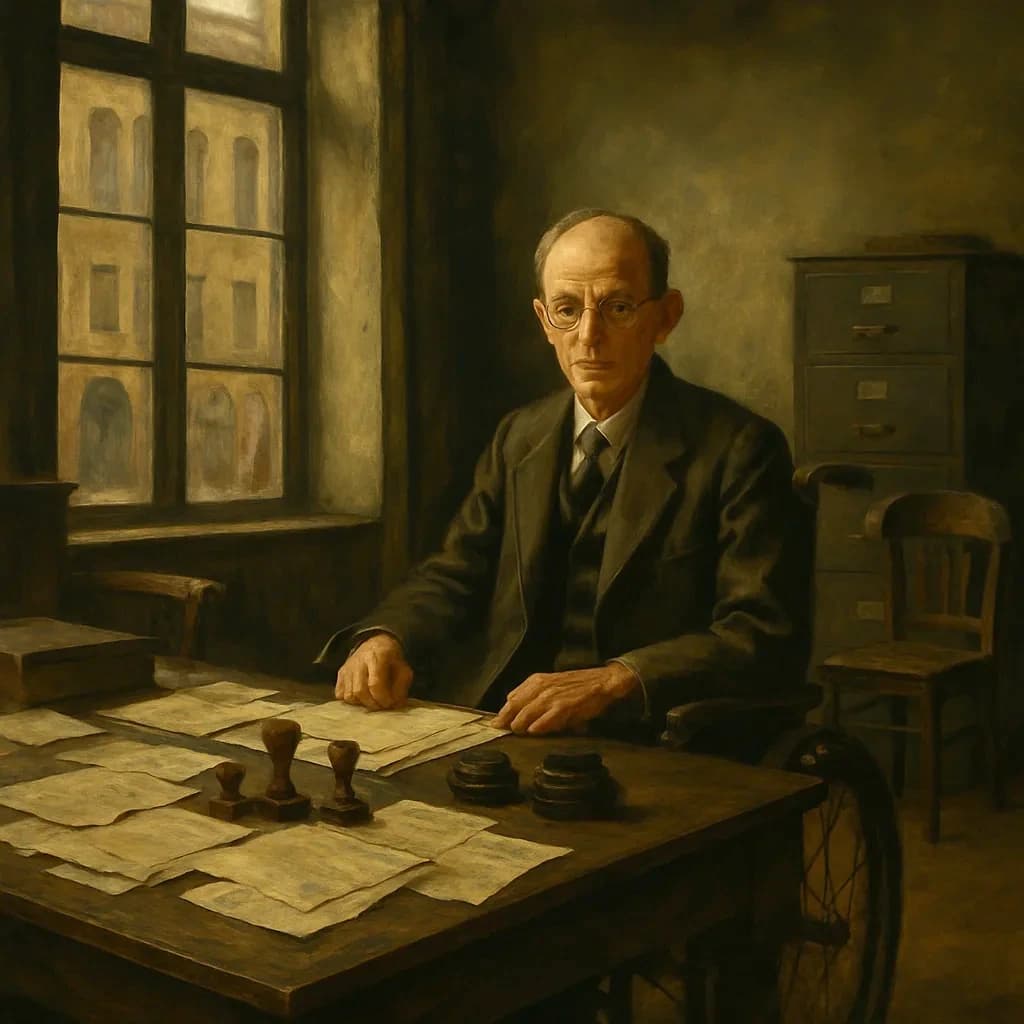
The Wheelchair Spy Inside Nazi Munich
A dying English diplomat in his wheelchair held the secret that would decide whether Europe fell to fascism.
- Michael Smith, Foley: The Spy Who Saved 10,000 Jews (Hodder & Stoughton, 1999)
- Yad Vashem Righteous Among the Nations database, Frank Foley entry (recognized 1999)
- Andrew, Christopher, The Defence of the Realm: The Authorized History of MI5 (Allen Lane, 2009)