
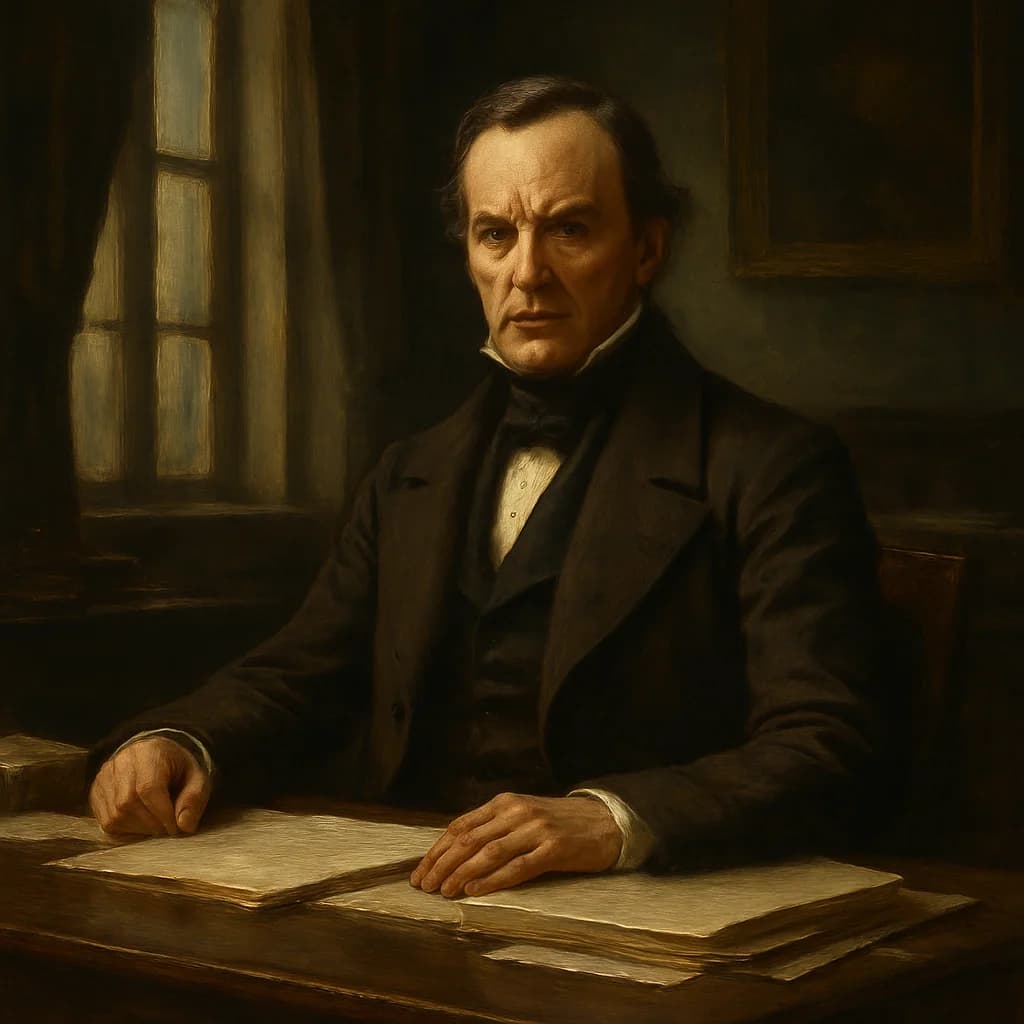
Charles Trevelyan
The man who let a million Irish die of starvation considered himself their greatest benefactor.
Charles Trevelyan didn't see corpses when he looked at the Irish Potato Famine. He saw divine intervention. As Assistant Secretary to the Treasury during the catastrophe of 1845-1852, he wielded more power over Irish relief than anyone in the British government. And he used that power to ensure that aid remained as minimal as possible, convinced that suffering would teach the Irish self-reliance.
Trevelyan had built his career on efficiency and moral certainty. After graduating from East India Company College, he'd spent years in India rooting out corruption with methodical precision. He returned to London in 1838 as a rising star in the civil service, armed with an unshakeable belief in free market economics and divine providence. When potato blight struck Ireland, he saw an opportunity to restructure Irish society according to proper economic principles.
His relief philosophy was breathtakingly simple: Ireland's problems stemmed from overdependence on potatoes and subdivision of land. Famine was God's way of forcing modernization. Therefore, government aid should be limited to prevent interference with natural economic forces. He shut down soup kitchens, insisted on means testing for workhouse admission, and required that relief work pay below-market wages to avoid creating dependency. When shipments of American corn arrived, he delayed distribution to avoid disrupting grain prices.
Most remarkably, Trevelyan genuinely believed he was saving Ireland. He wrote extensively about the famine as a blessing in disguise, arguing that temporary suffering would lead to permanent improvement. Even as reports of mass starvation poured into his office, he maintained that excessive government intervention would only perpetuate Irish backwardness. His policies weren't born from indifference but from an iron conviction that he knew what was best for people he'd never met.
Trevelyan was knighted in 1848 for his 'distinguished service' during the Irish Famine, while the death toll was still climbing.
Why untold: British narratives of the famine focus on natural disaster rather than the deliberate policy choices that maximized the death toll.
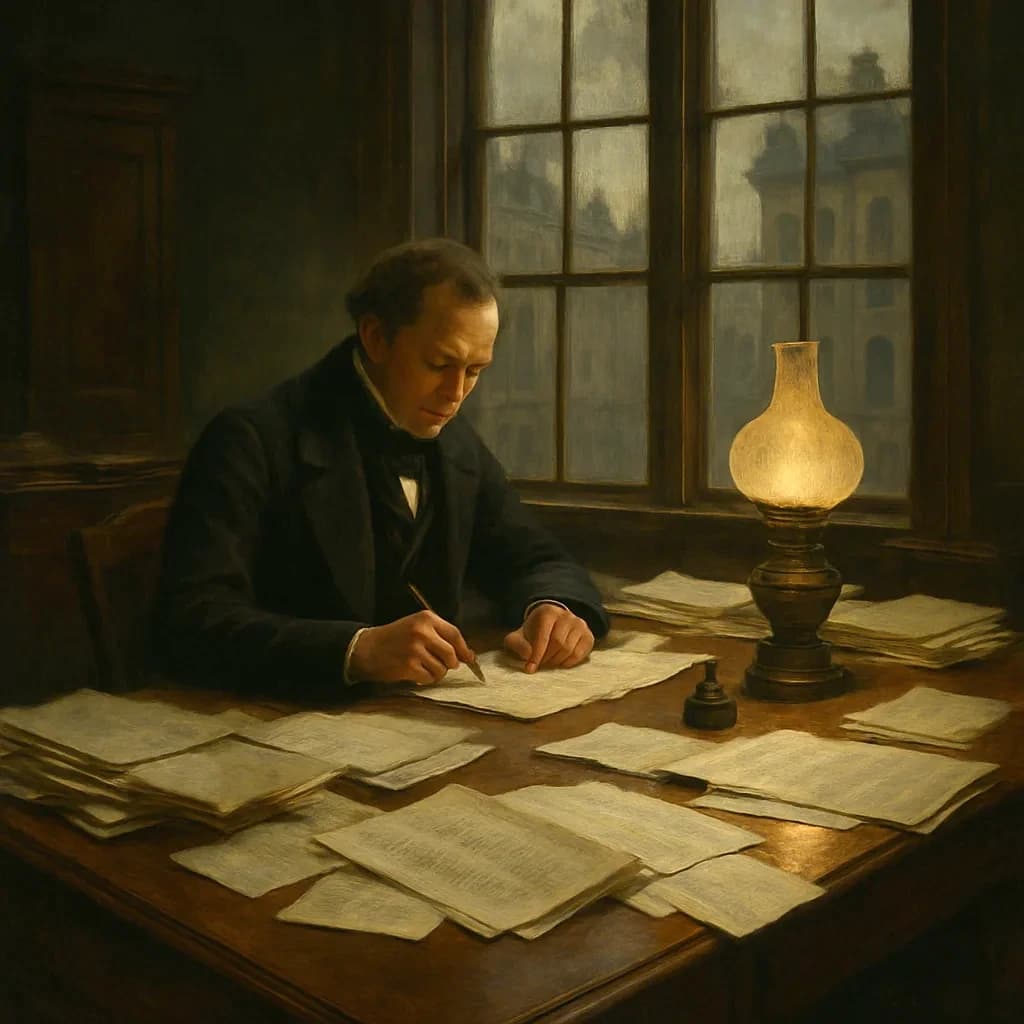
A Clerk Calculated What Ireland Needed to Survive, Then Said No
In 1845, a civil servant sitting in a London office calculated exactly how much food Ireland needed to survive, then decided it was too much.
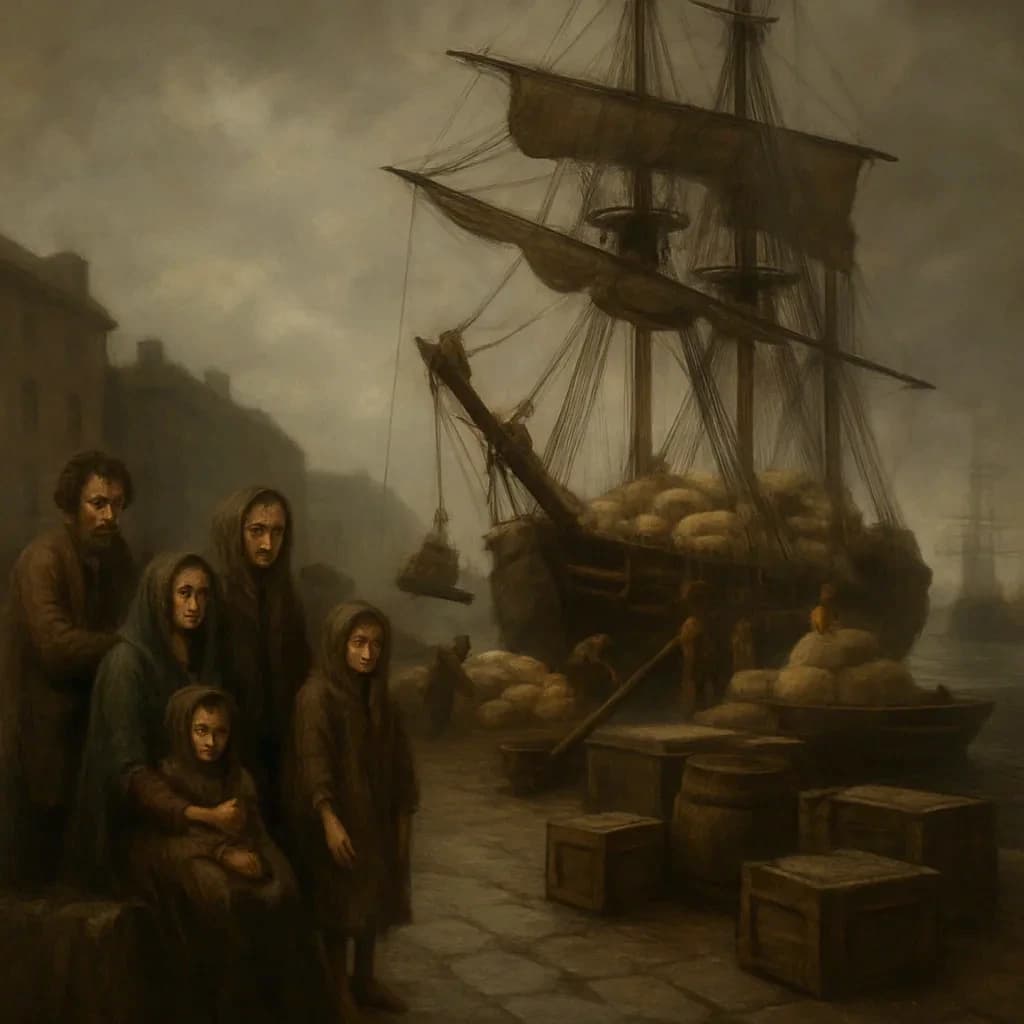
The Hunger Ship That Fed No One
In 1846, two ships left Ireland carrying enough grain to feed a starving county, but not a single kernel was meant for the Irish.
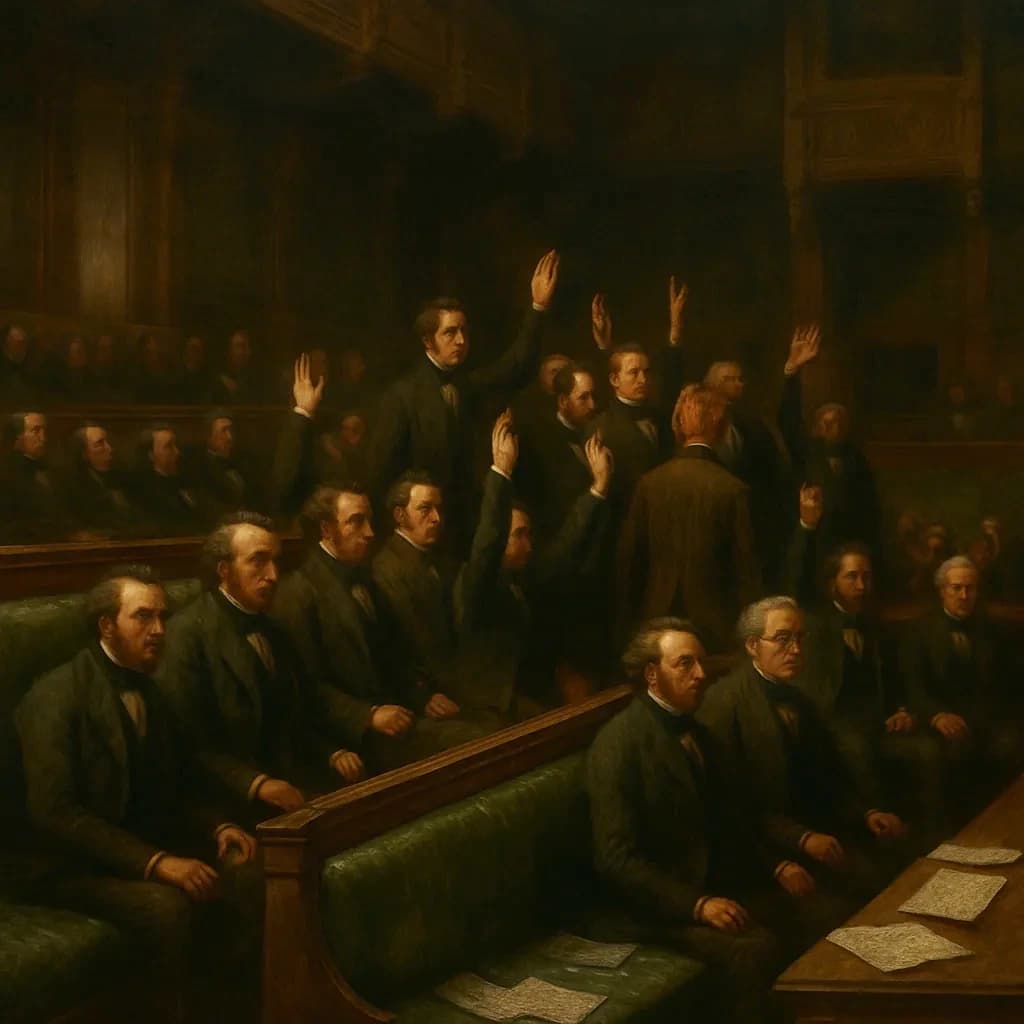
Ireland's Own MPs Voted Down Famine Relief
A million Irish were dying of hunger in 1847, and their own representatives in Parliament systematically voted against every bill that might have saved them.
- Christine Kinealy, 'This Great Calamity: The Irish Famine 1845-52'
- Charles Trevelyan, 'The Irish Crisis' (1848)
- Peter Gray, 'Famine, Land and Politics: British Government and Irish Society 1843-1850'