
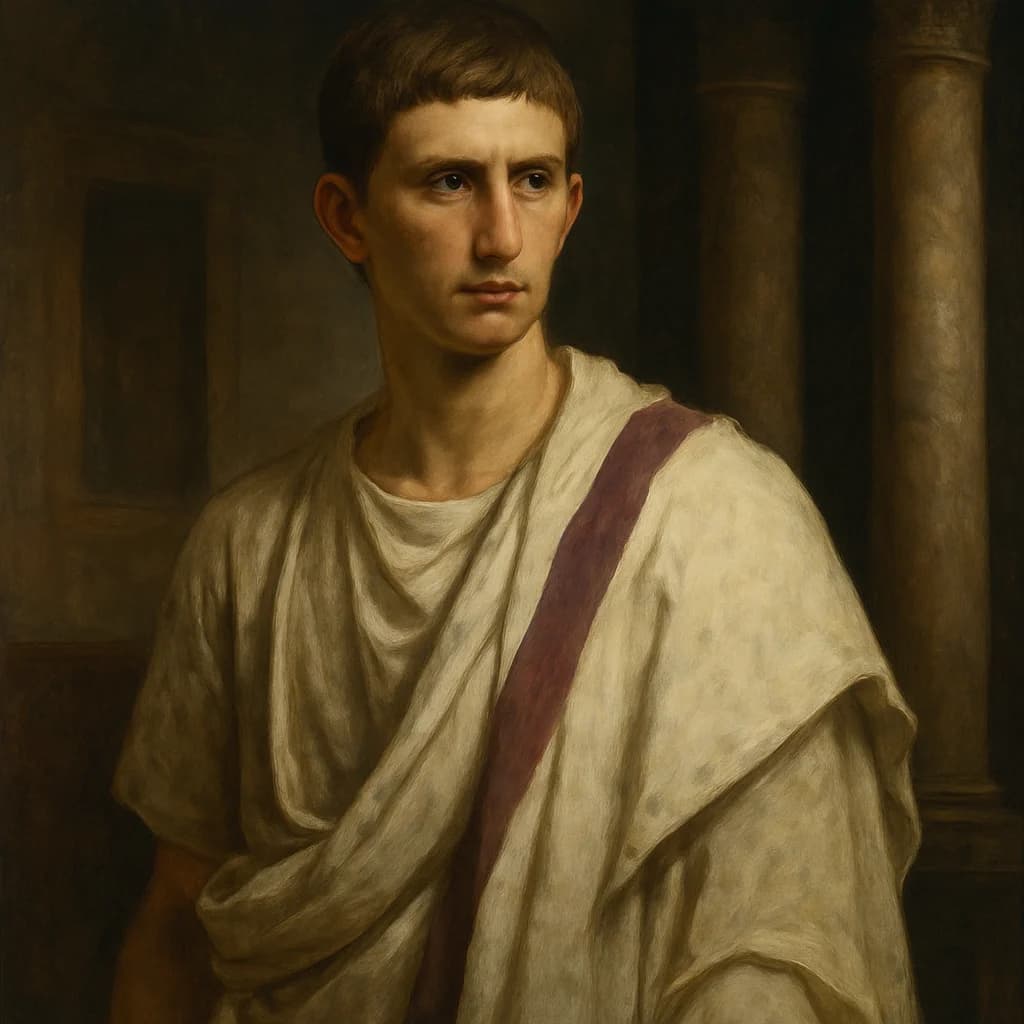
Augustus Caesar
The most powerful man in history got there by playing dead for fourteen years.
When nineteen-year-old Gaius Octavius learned his great-uncle Julius Caesar had named him heir, his first move wasn't to claim the throne. It was to disappear. While Mark Antony and the assassins battled for Rome, Octavius quietly studied rhetoric in Greece, collected debts, and let everyone forget he existed. He understood what Caesar never did: that Romans would tolerate absolute power only if they could pretend it wasn't there.
Octavius (soon calling himself Augustus) spent the next decade performing the most elaborate political theater in history. He restored the Senate while gutting its power. He refused the title of king while assuming every function of monarchy. He lived in a modest house on the Palatine Hill while building temples to himself across the empire. Most brilliantly, he convinced Romans they were still living in a republic even as he hand-picked every magistrate, controlled every legion, and decided every major policy.
The performance required constant vigilance. Augustus rose at dawn every day for forty-five years to read intelligence reports from across the empire. He personally approved municipal budgets in Spanish towns and marriage proposals among Egyptian nobility. He micromanaged everything from grain shipments to gladiator schedules because he knew that empires collapse not from grand rebellions but from a thousand small failures of attention.
When he died in 14 CE, Augustus had ruled longer than Stalin, outlasted thirteen American presidencies, and transformed a chaotic republic into a machine so efficient it would run for another four centuries. His final words, according to Suetonius, were a question to his assembled friends: 'Have I played my part well in the comedy of life?' They applauded. They had no choice.
Augustus personally read and approved every single law passed in the Roman Empire for forty-five years, often working eighteen-hour days to maintain the illusion that the Senate still governed while he controlled every detail.
Why untold: His careful construction of plausible deniability was so successful that even modern historians debate whether he 'really' ended the Republic.
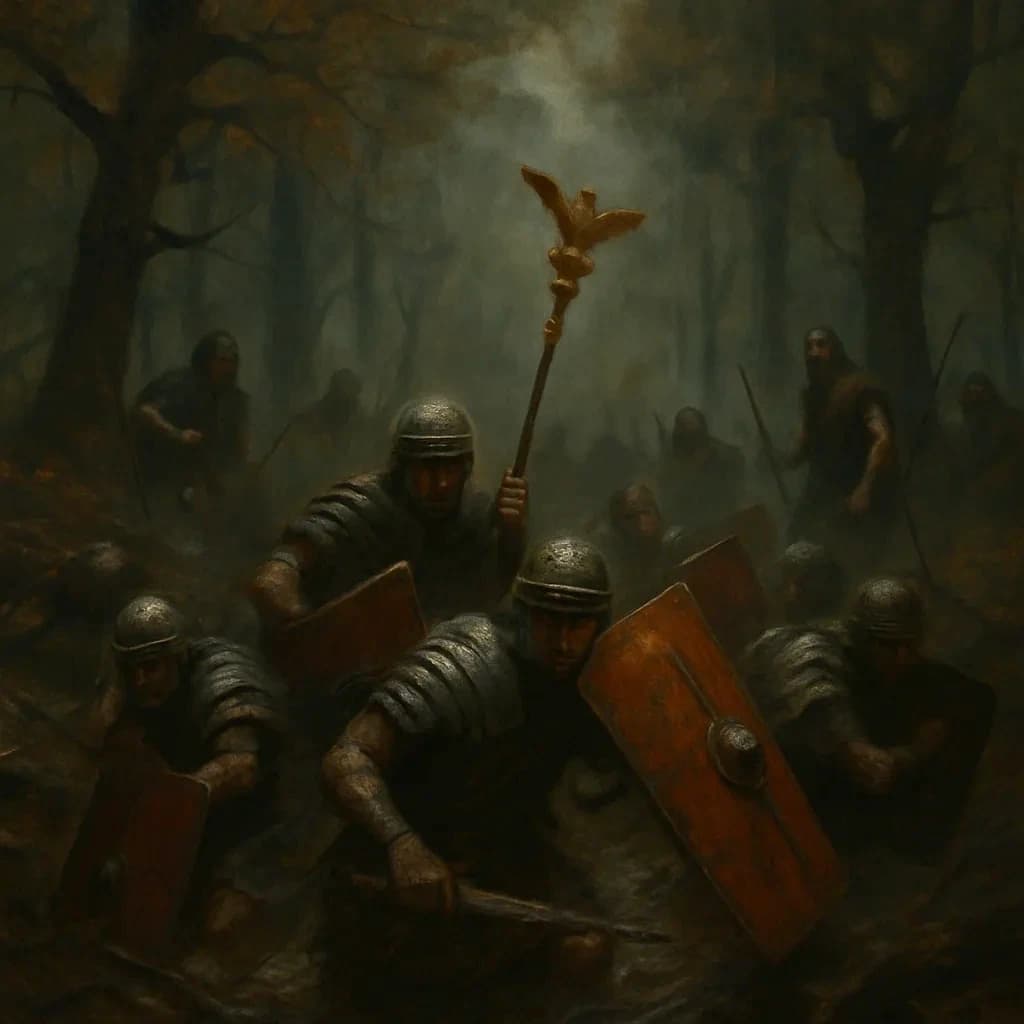
The Ambush That Stopped Rome at the Rhine
A Roman general made a single navigational error in a German forest, and it cost Augustus three legions, halted the empire's expansion forever, and drew a border that still shapes Europe today.
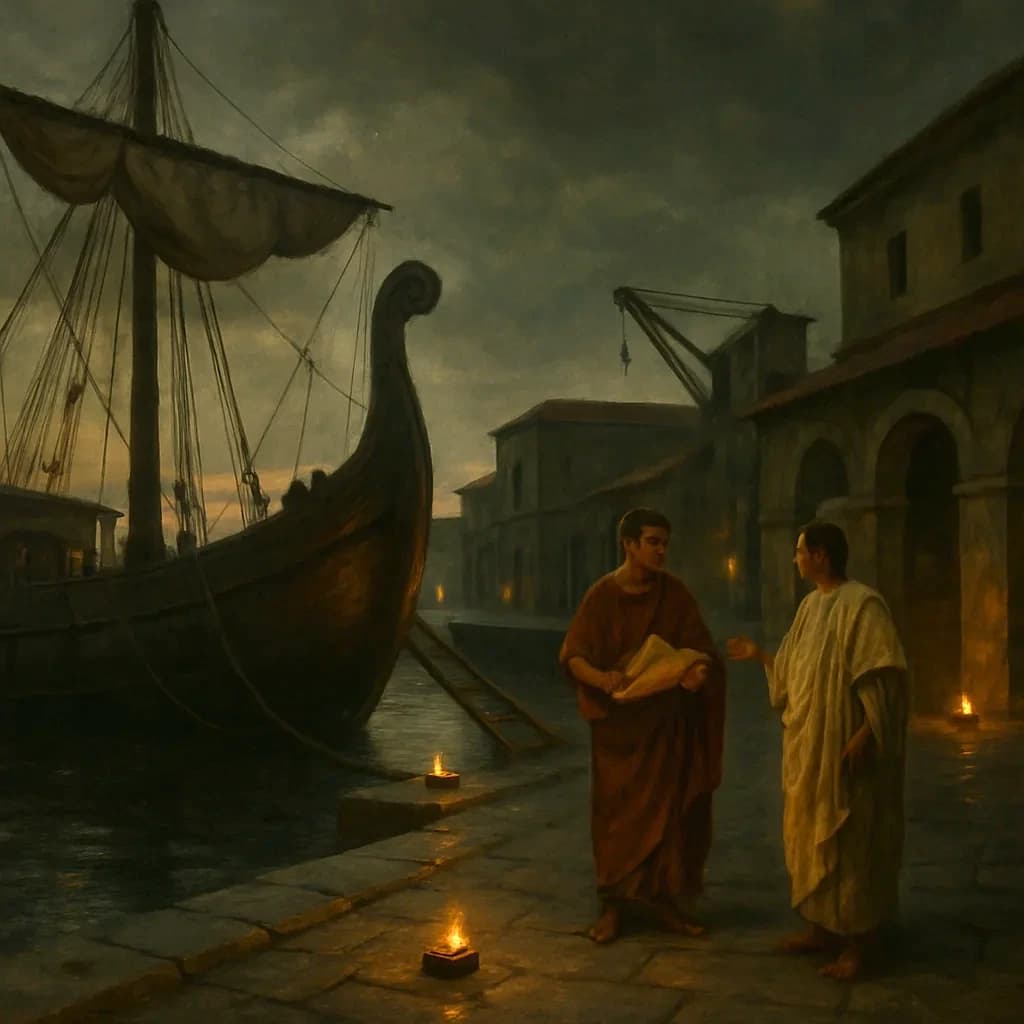
Rome's Greatest Poem Survived Because Nobody Obeyed Its Author
Rome's greatest living poet was dying on a ship in harbor, clutching a manuscript he had ordered burned, and no one could decide whether to obey him.
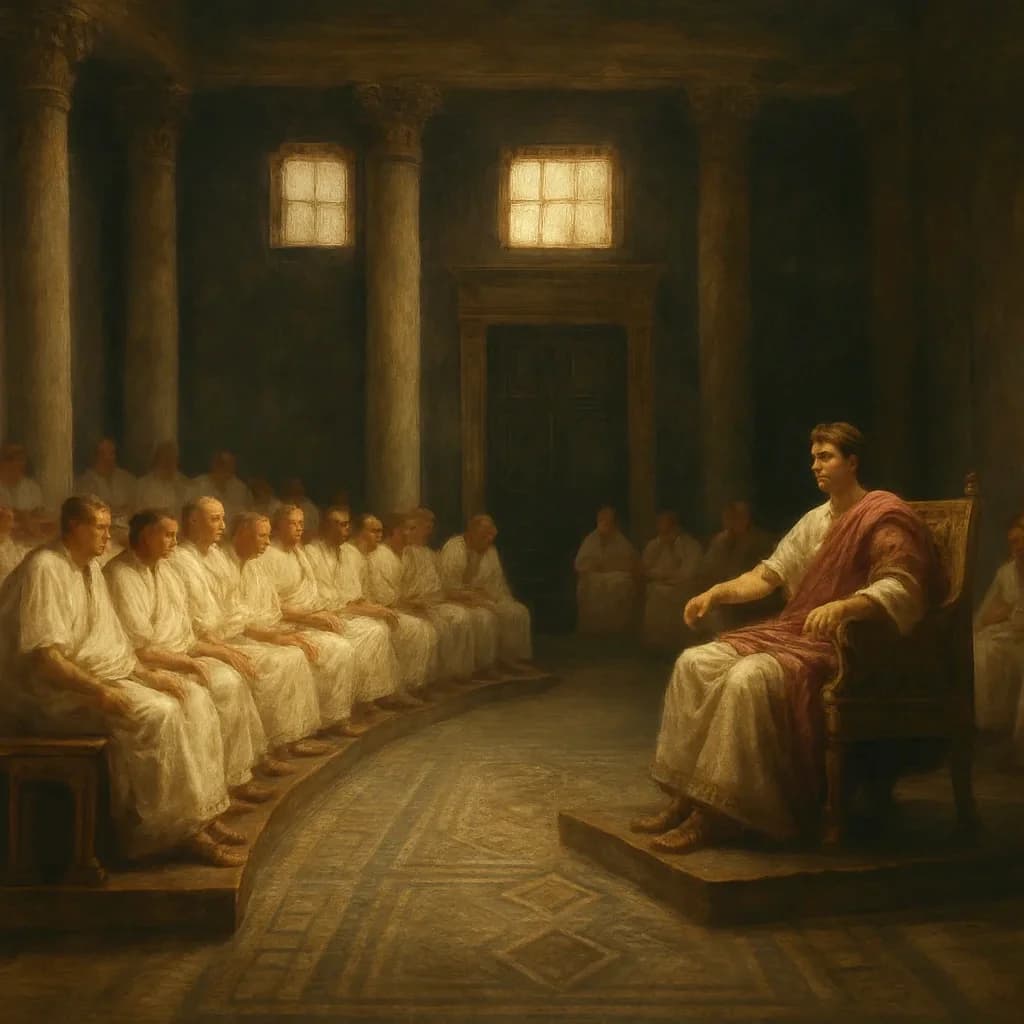
A Senator's Bad Stomach Saved Augustus Caesar
A Roman senator's urgent need to relieve himself derailed the assassination of Augustus Caesar and changed the course of history.
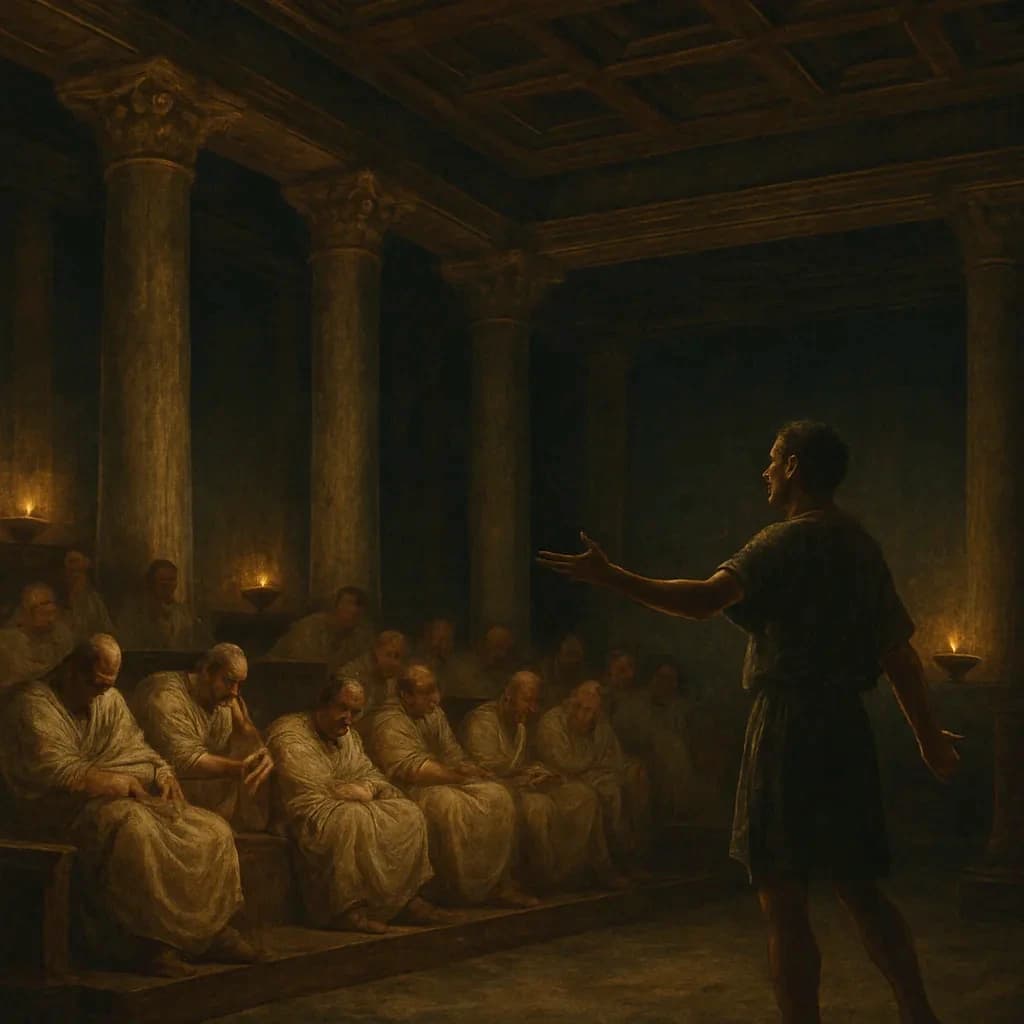
Augustus Resigned His Powers, Then Took Far More
A single vote cast after midnight by exhausted senators in 27 BC destroyed the Republic forever and handed absolute power to one man.
- Suetonius, The Twelve Caesars
- Mary Beard, SPQR: A History of Ancient Rome
- Ronald Syme, The Roman Revolution