
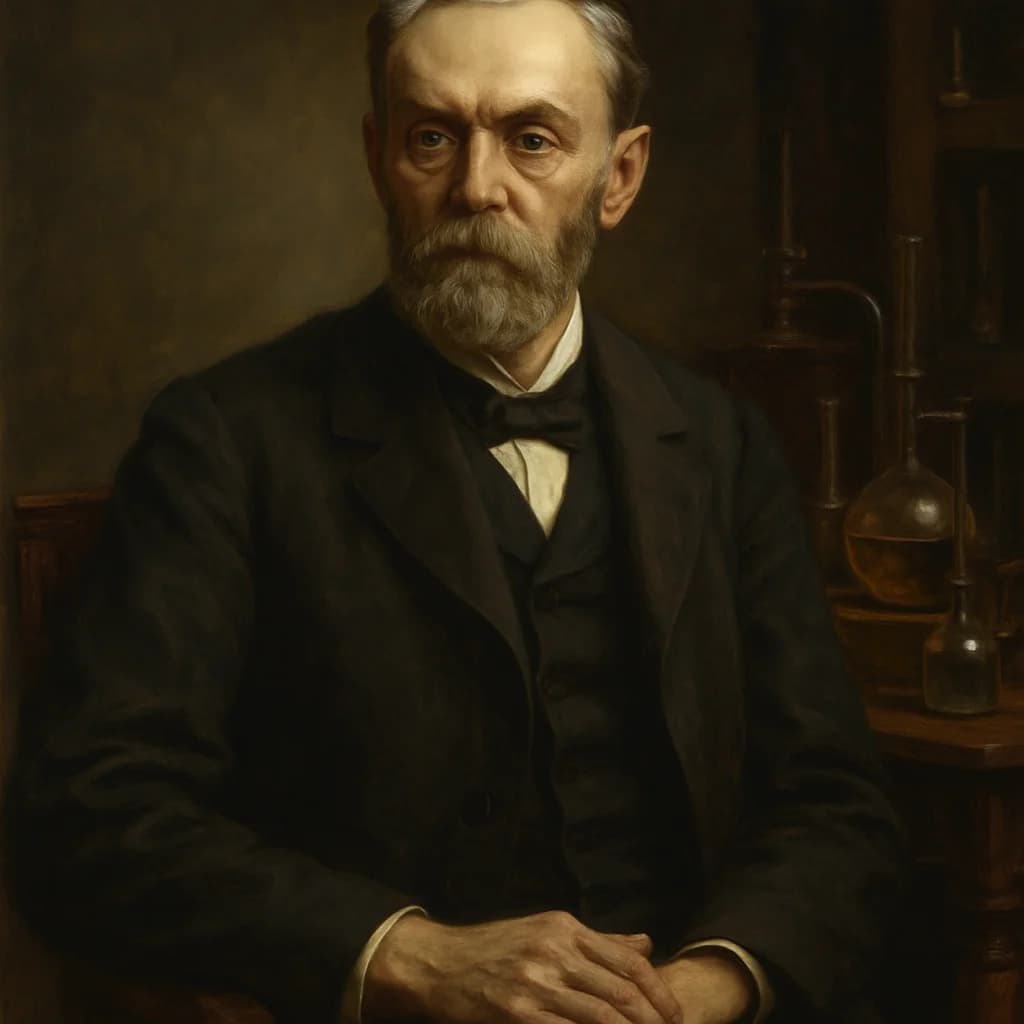
Alfred Nobel
The man who invented dynamite was so horrified by his own legacy that he rewrote it with his death.
Alfred Nobel spent most of his life perfecting ways to blow things up, then spent his final years frantically trying to be remembered for something else entirely. The Swedish chemist who gave the world dynamite wasn't trying to arm armies. He genuinely believed that making explosives so devastatingly powerful would make war impossible. Nations would be too terrified to fight, he reasoned. Peace through superior firepower.
That delusion shattered in 1888 when a French newspaper mistakenly published his obituary eight years early. "The merchant of death is dead," the headline declared, describing a man who "became rich by finding ways to kill more people faster than ever before." Nobel read his own condemnation over morning coffee and realized this was how history would remember him: not as an inventor or industrialist, but as the enabler of mechanized slaughter.
The psychological shock was profound. This was a man who spoke five languages fluently, wrote poetry and plays, corresponded with Victor Hugo, and maintained friendships across European intellectual circles. He held 355 patents and had built a chemical empire spanning twenty countries. But none of that mattered if his tombstone would read "merchant of death."
So Nobel performed one of history's most audacious acts of posthumous spin control. He secretly rewrote his will, leaving his entire fortune (equivalent to $250 million today) to establish prizes for peace, literature, physics, chemistry, and medicine. His relatives were furious, his business partners baffled. But Nobel understood something about legacy that most people miss: the last word belongs to whoever writes the ending.
Nobel held a patent for artificial silk and seriously considered becoming a playwright before turning to explosives.
Why untold: The focus on Nobel Prizes overshadows the psychological transformation that created them: a man literally rewriting his legacy after reading his own premature obituary.
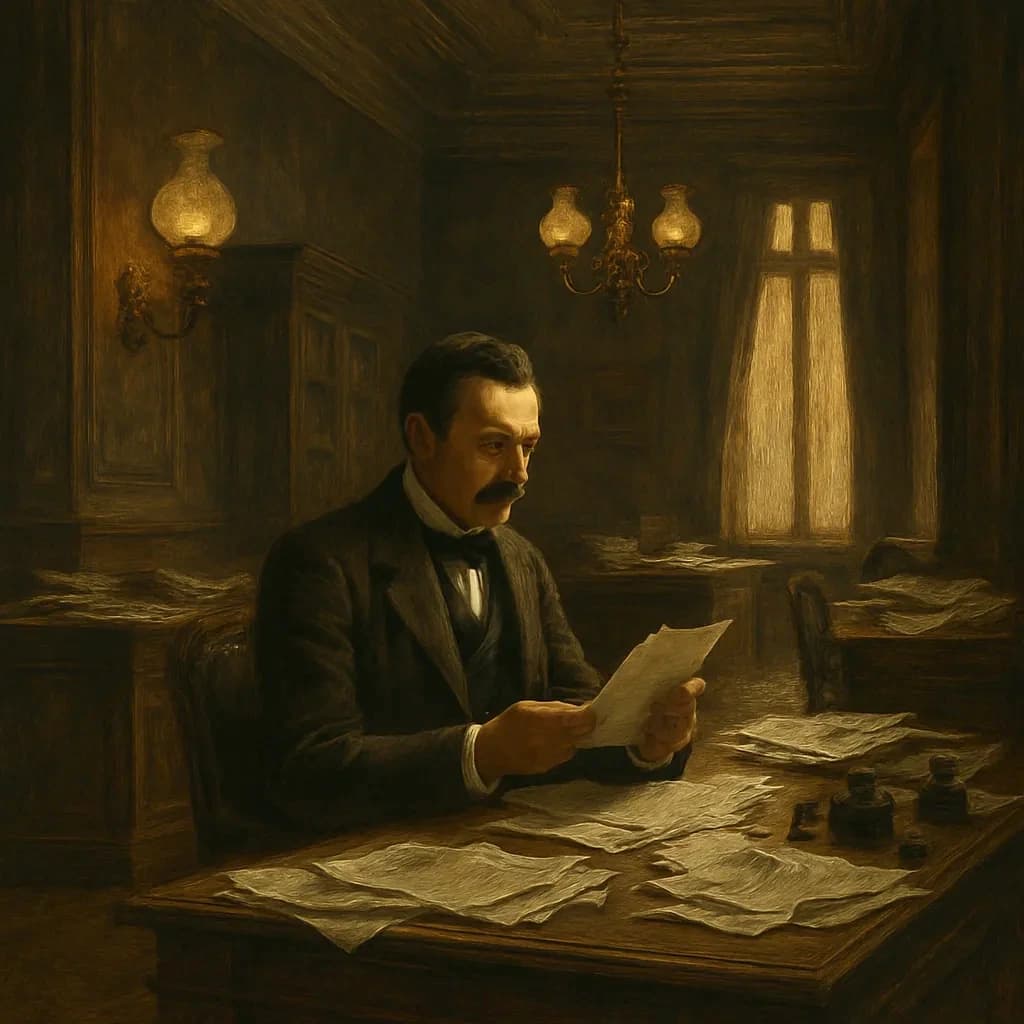
Alfred Nobel Read His Own Obituary, Then Changed His Will
A clerical slip at a French newspaper printed Alfred Nobel's obituary in 1889 while he was still very much alive, and it changed the world.
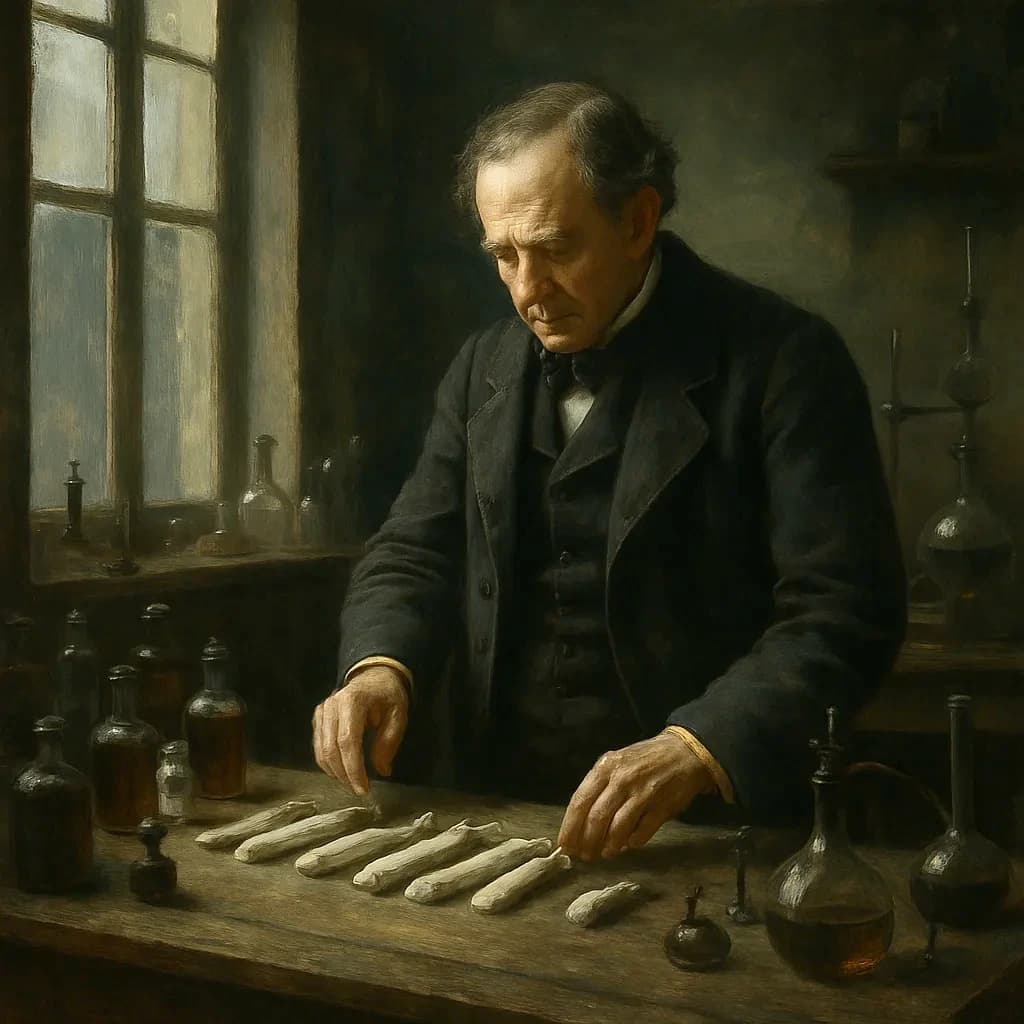
Nobel Built Dynamite to Save Lives, Not End Them
A Swedish chemist trying to make construction safer accidentally created the most destructive substance on Earth.
- Schück, Henrik et al. 'Nobel: The Man and His Prizes.' Nobel Foundation, 1962.
- Fant, Kenne. 'Alfred Nobel: A Biography.' Arcade Publishing, 1993.
- Sohlman, Ragnar. 'The Legacy of Alfred Nobel.' University of Virginia Press, 1983.