
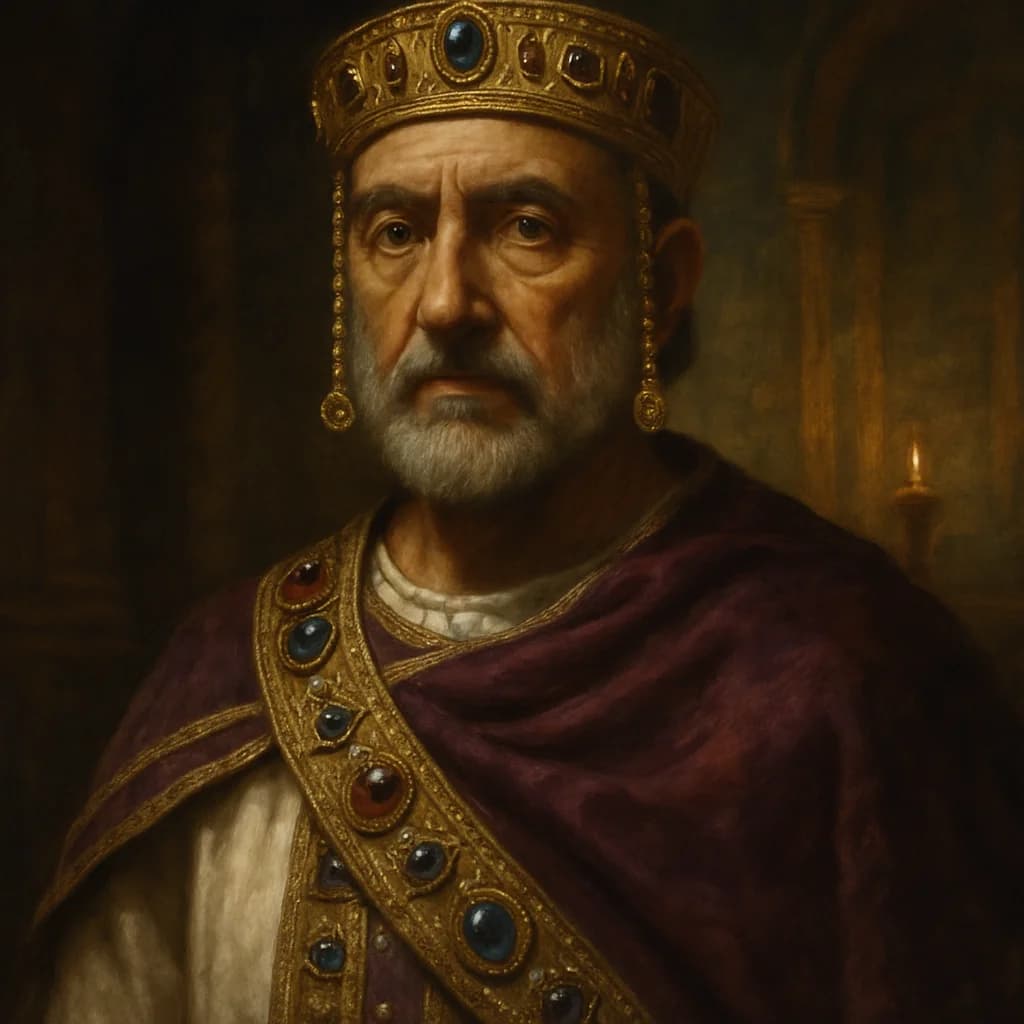
Alexios I Komnenos
He saved an empire on the brink of collapse, then spent the rest of his life watching his own family plot to dismantle everything he'd built.
By 1081, the Byzantine Empire was a patient bleeding out on the table. Seljuk Turks held most of Anatolia after Manzikert. The Normans were hammering the western frontier. The treasury was empty, the army was a mercenary rabble, and the throne had changed hands five times in six years. Alexios Komnenos was twenty-four years old when he seized power in a coup so audacious it involved bribing half of Constantinople and sneaking soldiers through the city gates dressed as civilians. He wasn't the rightful emperor. He was simply the only man in the room competent enough to matter.
What gets lost in the standard telling (the Crusades, the military campaigns, the grand geopolitical chessboard) is how Alexios actually held things together: through relationships, not force. He couldn't afford force. So he built a system historians now call the 'Komnenian network,' essentially governing the empire through an extended web of family marriages and invented aristocratic titles, binding potential rivals to the throne by making them family. His mother, Anna Dalassene, ran the imperial administration for the first decade of his reign with a legal authority formally granted by chrysobull (a written imperial decree) while Alexios fought wars on multiple fronts simultaneously. A Byzantine emperor handing his mother a blank check over domestic governance is not something the chronicles dwell on. Anna Komnene, his historian daughter, certainly doesn't minimize it.
He survived a poisoning attempt, at least one serious conspiracy within his own court, and the frankly bewildering arrival of the First Crusade in 1096, which he had technically requested but hadn't quite anticipated would show up as an armed mob of 60,000 Franks camping outside Constantinople. His solution was characteristic: charm them, extract oaths of fealty, and redirect their energy toward Nicaea before they could do to Byzantium what they were planning to do to Jerusalem.
Alexios died in 1118 after thirty-seven years on the throne, the longest reign in over a century. His wife Eirene and his daughter Anna were at his bedside trying, in those final hours, to maneuver his succession toward Anna's husband instead of his son John. He reportedly turned his face away from them. The empire went to John. The rest, as they say, Alexios left to other people to sort out.
Alexios formally granted his mother Anna Dalassene legal authority over the imperial household via chrysobull in 1081, making her effectively co-regent, an arrangement so unusual that Byzantine legal scholars had no existing framework to describe it.
Why untold: Alexios exists in Western historiography almost entirely as a footnote to the First Crusade, a supporting character in a story that was actually happening in his own capital, to his own empire, on his own terms.
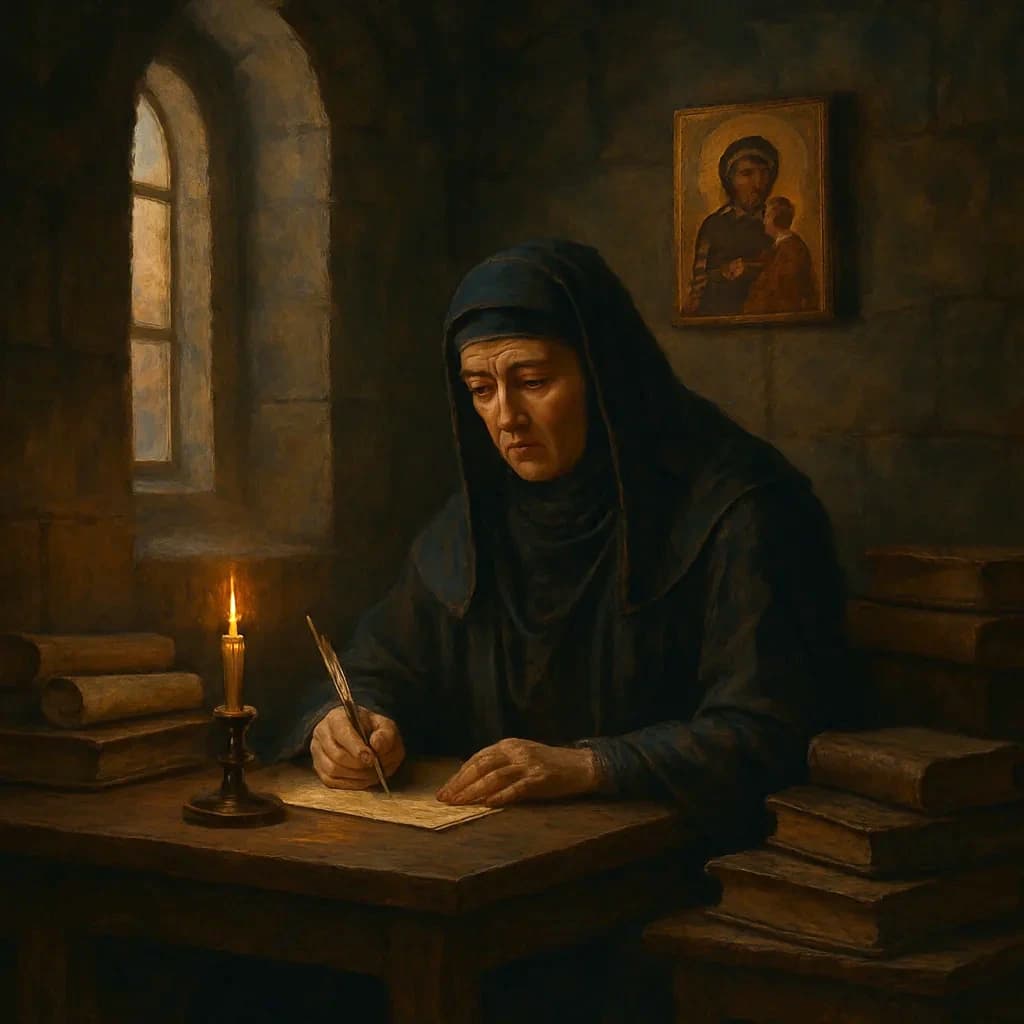
A Byzantine Princess Wrote the Crusade's Only Eyewitness Account
A Byzantine princess watched the First Crusade arrive, and wrote the only eyewitness account that survived.
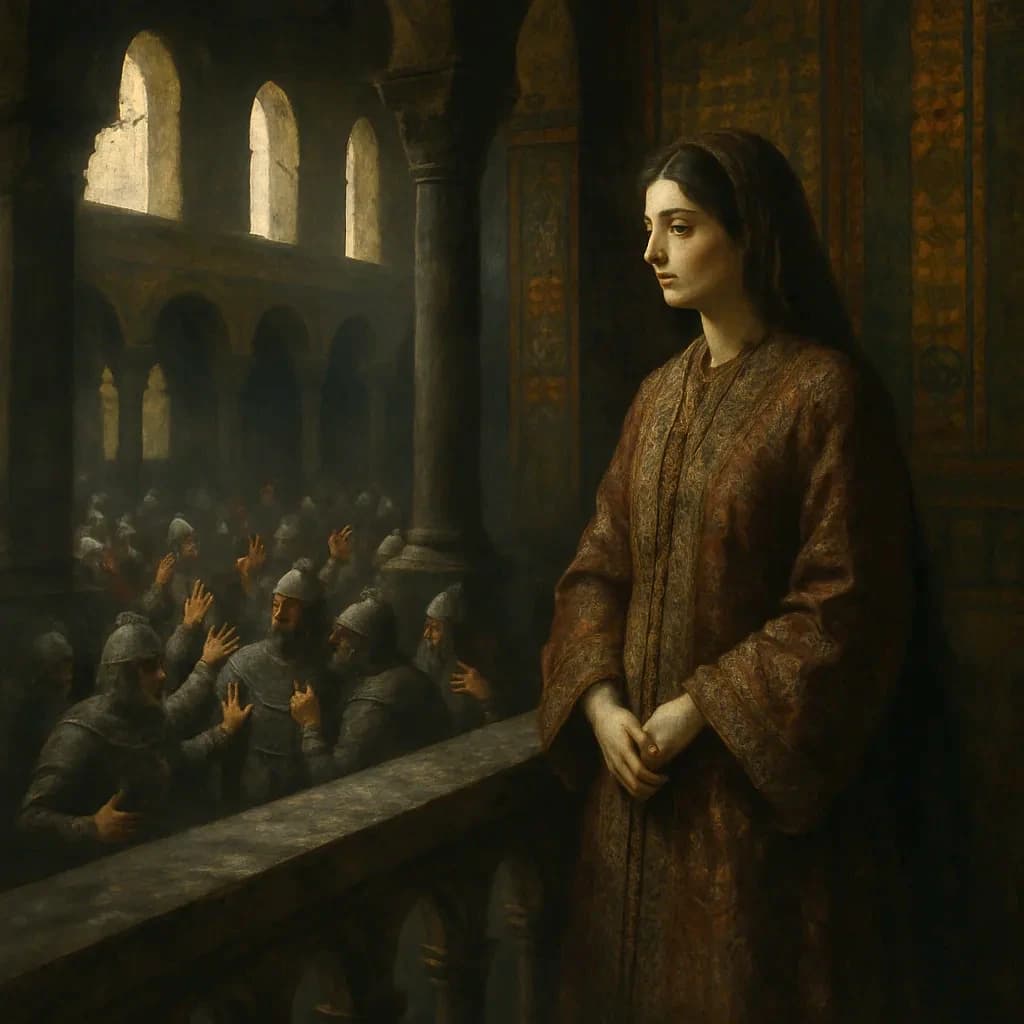
A Princess Chronicled the Crusade She Despised
A Byzantine princess watched the First Crusade arrive at her doorstep and wrote the only eyewitness account we have, and she despised almost every word of it.
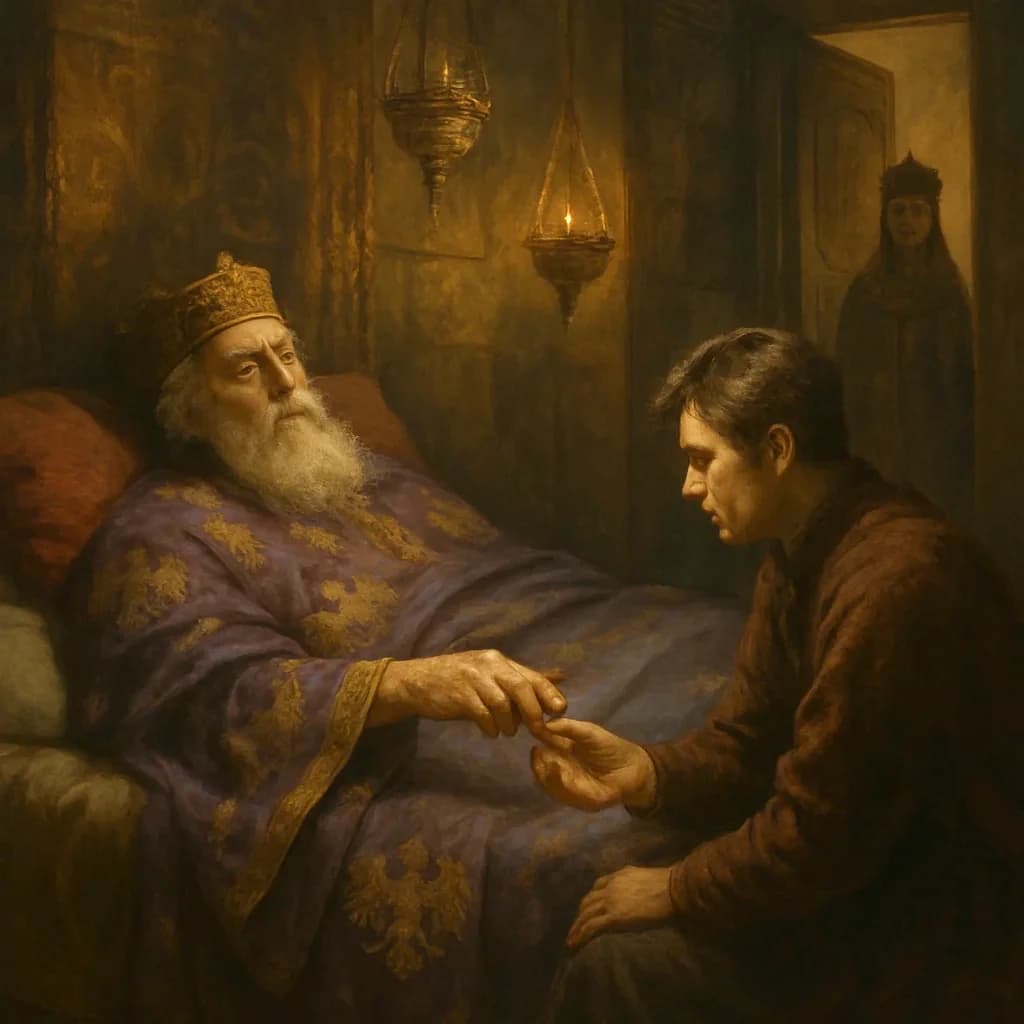
A Princess Lost the Throne and Wrote Her Revenge
No war, no law, no battle. Byzantium's greatest succession crisis turned on a midwife's lie in a locked chamber.
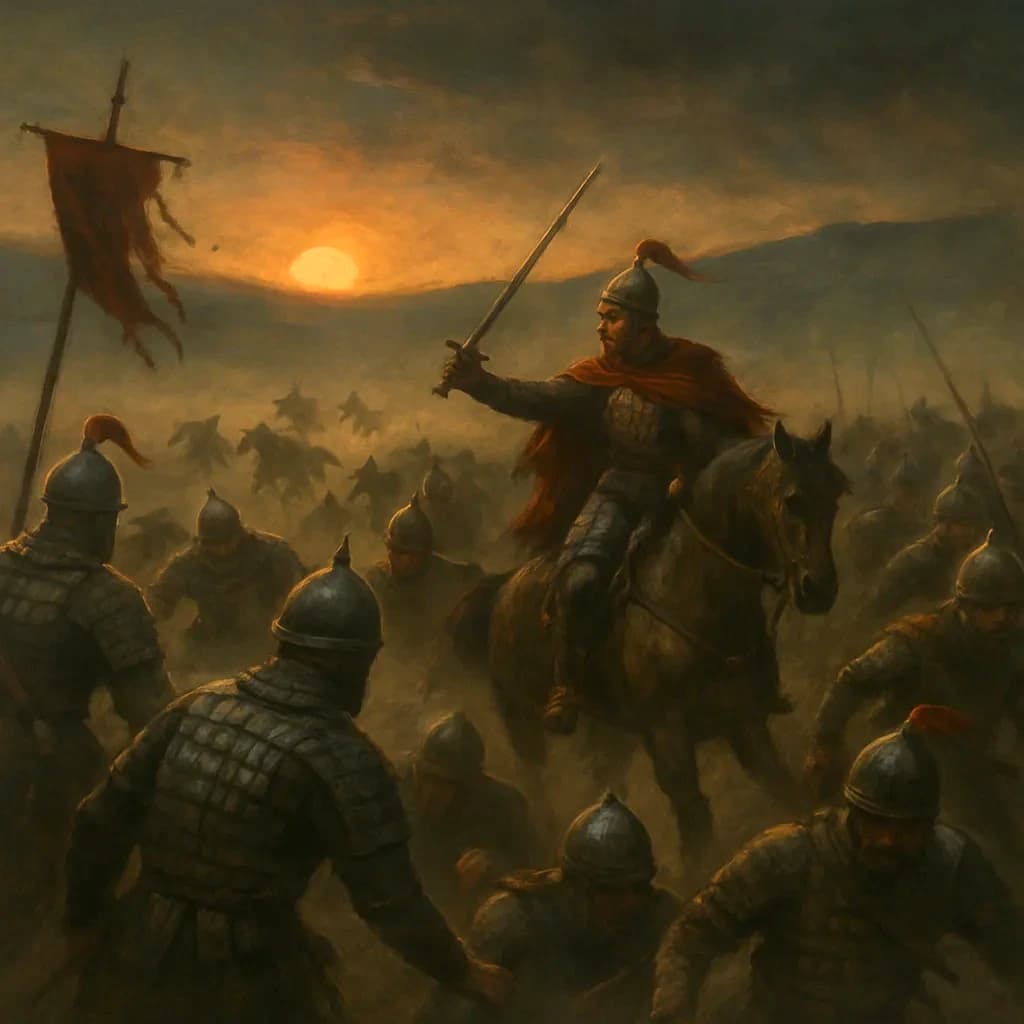
The Lie That Cost Byzantium Its Heartland
A Byzantine general's battlefield betrayal handed Anatolia to the Turks in 1071. But the man who chose loyalty over survival is the one history forgot entirely.
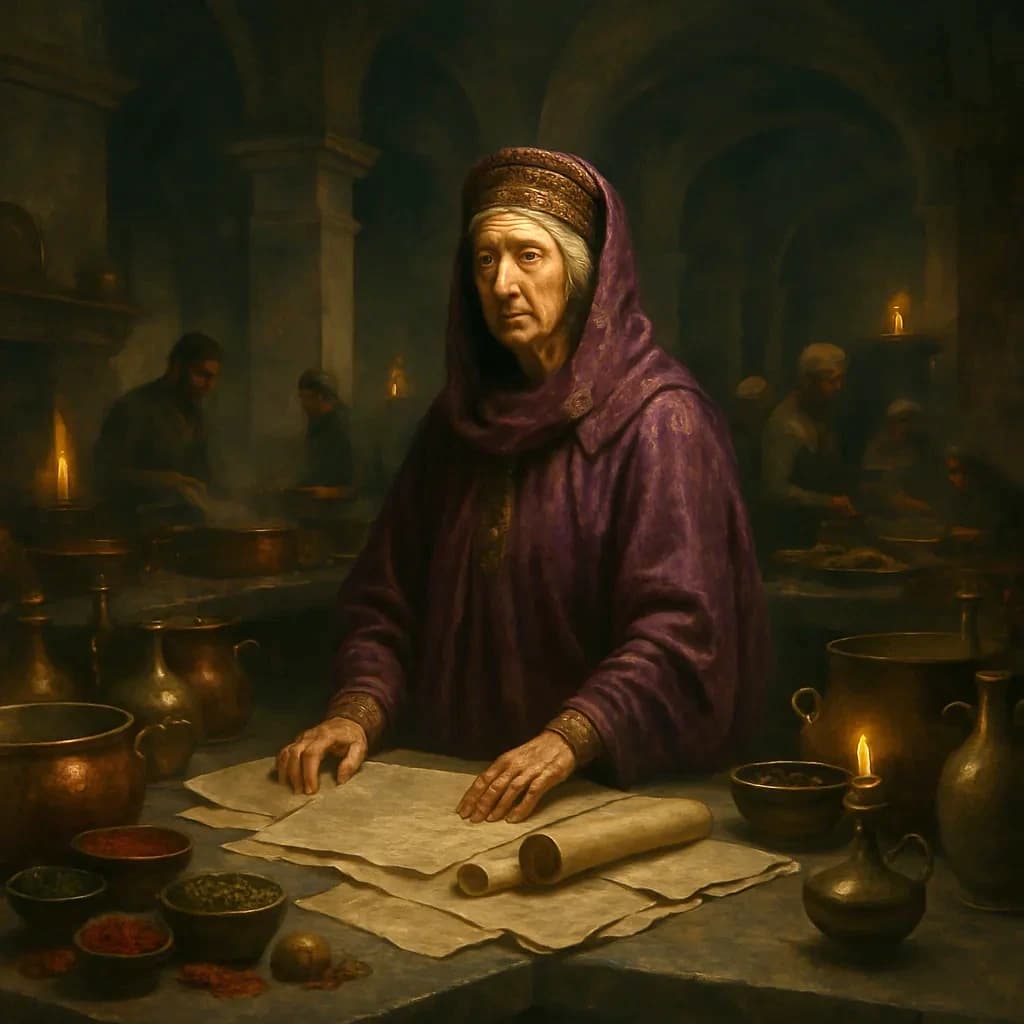
The Shadow Empress Who Governed Byzantium From Her Kitchen
Byzantine emperors plotted wars and signed treaties, yet their empire was actually being run from the imperial kitchen.
- Anna Komnene, 'The Alexiad', trans. E.R.A. Sewter (Penguin Classics, 2009)
- Michael Angold, 'The Byzantine Empire, 1025-1204: A Political History' (Longman, 1997)
- Judith Herrin, 'Byzantium: The Surprising Life of a Medieval Empire' (Princeton University Press, 2007)